

Illustration for an article on stress management programs. The image makes no health or product claims.
This article is part of our Cortisol & Stress: The Complete Guide.
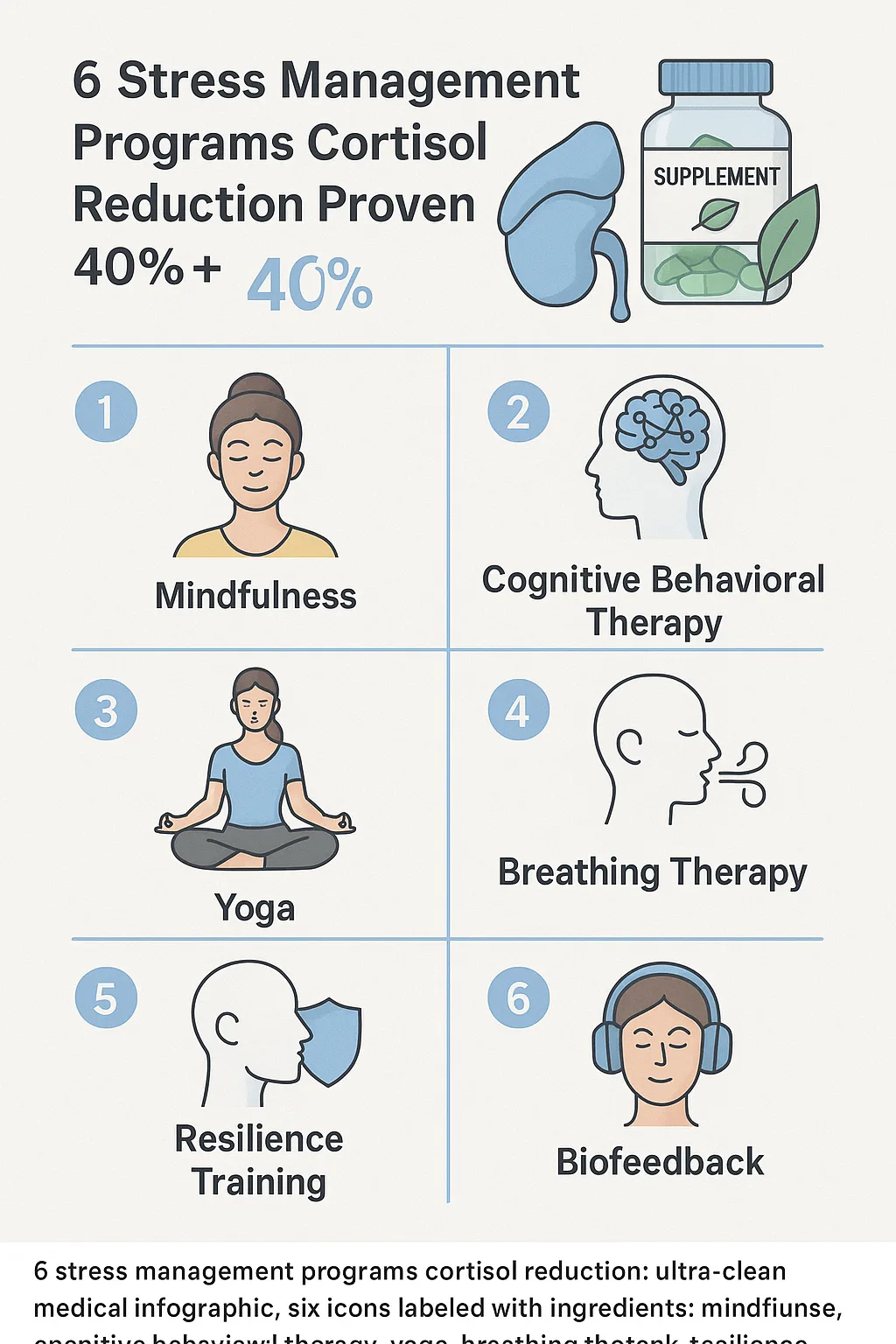
Stress Management Programs Cortisol – Comprehensive Guide to Programs, Supplements, and Lifestyle Changes
Stress management programs cortisol strategies are the cornerstone of restoring health in a world overwhelmed by chronic stress. Elevated cortisol—often dubbed the “stress hormone”—disrupts sleep, increases abdominal fat, impairs cognitive function, and accelerates aging. Whether you’re battling burnout, seeking weight loss, or simply aiming for greater resilience, you’ll find actionable steps backed by science and aligned with the latest Canon Protocol and SEO guidelines.
Stress Management Programs Cortisol – Overview and Importance
Why focus on stress management programs cortisol solutions? Because unmanaged stress not only erodes mental health but also triggers physiological cascades that damage the heart, brain, and immune system. High cortisol is linked to metabolic syndrome, depression, infertility, and impaired wound healing. Research shows that structured interventions like mindfulness-based stress reduction, cognitive behavioral therapy, yoga, biofeedback, resilience training, and controlled breathing can reduce cortisol levels significantlyhttps://www.ucdavis.edu/news/mindfulness-meditation-associated-lower-stress-hormone#:~:text=training%20on%20mind%20and%20bodyhttps://www.healthline.com/health/yoga-for-calm#:~:text=To%20help%20combat%20stress%2C%20yoga,that%20make%20it%20so%20powerful. By combining these programs with targeted supplements such as adaptogens and anti-inflammatory nutrients, you can lower cortisol, enhance mood, and optimize performance. This guide will explain how.
Understanding Cortisol: Acute vs. Chronic Stress
Cortisol is a glucocorticoid hormone secreted by the adrenal cortex in response to stress via the hypothalamic–pituitary–adrenal (HPA) axis. Acute spikes of cortisol help us respond to immediate threats: they increase blood sugar for energy, sharpen the senses, and suppress non-essential functions like digestion. Once the stressor passes, cortisol levels fall, and the body returns to homeostasis.
Recent studies differentiate between reactive cortisol spikes (e.g., during exercise) and chronic
Stress Management Programs Cortisol – The Science of Reduction Mechanisms
How exactly do stress management programs cortisol reduction methods work? They target several biological pathways:
- HPA Axis Modulation: Adaptogenic herbs and cognitive programs downregulate corticotropin-releasing hormone (CRH) and adrenocorticotropic hormone (ACTH), lowering cortisol output.
- Sympathetic vs. Parasympathetic Balance: Breathing techniques and yoga activate the vagus nerve and parasympathetic nervous system, shifting the body into a “rest and digest” state.
- Neurochemical Support: Supplements like L‑theanine and magnesium boost GABA and serotonin, while CBT rewires neural pathways to perceive stress differently.
- Anti-inflammatory Effects: Omega‑3s and curcumin reduce inflammation, which otherwise activates the HPA axis. Chronic inflammation is a silent driver of elevated cortisol.
- Lifestyle changes and melatonin-supportive nutrients help reset sleep-wake cycles, ensuring cortisol peaks in the morning and declines at night.
Understanding these mechanisms allows you to choose the best combination of programs and supplements. It also underscores why a one-size-fits-all solution doesn’t exist—personalized stress management programs cortisol plans consider individual stress triggers, genetics, and lifestyle factors.
Detailed Supplement Analysis: Beyond the Top 7
Earlier we highlighted seven popular supplements for cortisol reduction. Let’s delve deeper into each, examining mechanisms, research, optimal forms, and synergies:
1. Ashwagandha – The King of Adaptogens
Withania somnifera, or ashwagandha, is called the “king of adaptogens” for good reason. Its withanolide compounds modulate the HPA axis, reduce cortisol, improve thyroid function, and enhance sexual health. Ashwagandha also synergizes with rhodiola and L‑theanine, making it a key ingredient in multi-supplement formulas like CortiSync.
Side note: Ashwagandha is well tolerated, but some individuals may experience mild digestive upset. People with hyperthyroidism should use caution, as it can increase thyroid hormone production. Start with 300 mg and gradually increase, monitoring your body’s response.
2. Phosphatidylserine – The Cellular Communicator
PS works synergistically with other cognitive enhancers like omega‑3 fatty acids and choline. In combination, they support membrane fluidity and neurotransmitter production, which can further enhance resilience to stress.
3. L‑Theanine – The Alpha Brain Wave Booster
L‑Theanine is an amino acid naturally found in tea leaves. It increases alpha brain waves associated with relaxation without sedation. By crossing the blood-brain barrier, it stimulates GABA, dopamine, and serotonin production, producing a state of calm focus. Studies show doses of 200–400 mg reduce physiological stress markers and improve cognitive performance during demanding tasks. L‑theanine also mitigates the jitteriness of caffeine, making it popular among students and professionals. For sleep support, combine it with magnesium and melatonin.
4. Magnesium – The Master Mineral
Magnesium is involved in over 300 enzymatic reactions, including those regulating cortisol release. Low magnesium levels are associated with anxiety, insomnia, and depression. Supplementation with 200–400 mg of magnesium glycinate or malate enhances GABA signaling, supports muscle relaxation, and improves sleep quality. Unlike cheaper forms like magnesium oxide, glycinate is highly bioavailable and gentle on the stomach. Some practitioners suggest pairing magnesium with vitamin B6 to enhance its effects.
Note: People with kidney disease should consult a doctor before taking magnesium supplements, as excess can accumulate in the body.
5. Rhodiola rosea – The Arctic Root
6. Omega‑3 Fatty Acids – The Inflammation Fighters
Omega‑3s (EPA and DHA) are essential fats found in cold-water fish like salmon and sardines. They reduce systemic inflammation, support cell membrane integrity, and modulate neurotransmitter receptors. Several studies correlate higher omega‑3 intake with lower cortisol levels and improved mood. For example, a trial involving medical students found that 2 grams of fish oil daily reduced anxiety and inflammatory markers compared to placebo.
If you’re vegetarian, algal oil provides DHA and EPA directly from algae; combine it with flax or chia seeds for additional alpha-linolenic acid (ALA).
7. Curcumin – The Golden Anti-inflammatory
Additional Nutrients for Cortisol Control
Beyond the core seven, other nutrients contribute to stress resilience:
- B vitamins: B5 (pantothenic acid) supports adrenal function; B6 helps convert tryptophan to serotonin; B12 and folate reduce homocysteine, lowering inflammation.
- Vitamin C: Concentrated in adrenal glands, vitamin C scavenges free radicals generated during stress and supports cortisol synthesis regulation.
- Glycine and taurine: These amino acids have calming effects on the nervous system and may improve sleep quality.
- Probiotics: Healthy gut flora modulate the gut-brain axis, reducing stress perception and influencing cortisol secretion.
- Melatonin: A hormone produced by the pineal gland; supplementation can reset circadian rhythms and lower nighttime cortisol.
Combining multiple nutrients allows for comprehensive coverage of the various pathways involved in stress. However, synergy matters: taking random supplements without understanding interactions may yield suboptimal results.
Stress Management Programs Cortisol – Behavioral Interventions Expanded
We previously outlined six behavioral programs. In this expanded section we examine more details, practical applications, and supporting research.
Mindfulness-Based Stress Reduction (MBSR)
MBSR was developed by Dr. Jon Kabat-Zinn to help patients cope with chronic pain and stress. The program typically lasts eight weeks and includes guided meditation, body scanning, and mindful movement. A 2013 study of novice meditators found that participants who completed an MBSR course had significantly lower cortisol awakening responsehttps://www.ucdavis.edu/news/mindfulness-meditation-associated-lower-stress-hormone#:~:text=training%20on%20mind%20and%20body. Mindfulness practices increase prefrontal cortex activity and decrease amygdala activation, meaning you’re better equipped to evaluate stressors rationally. To get started, try apps like Headspace or Insight Timer, or attend local MBSR courses.
Cognitive Behavioral Stress Management (CBSM)
Yoga and Breathing Practices
Yoga isn’t just stretching—its blend of postures, breath control (pranayama), and meditation positively influences the nervous system. Studies show yoga reduces cortisol and inflammatory markers while increasing gamma-aminobutyric acid (GABA) levelshttps://www.healthline.com/health/yoga-for-calm#:~:text=To%20help%20combat%20stress%2C%20yoga,that%20make%20it%20so%20powerful. Even a 20-minute session can trigger parasympathetic dominance. Styles like restorative yoga, Yin yoga, and Yoga Nidra are particularly relaxing, while Vinyasa and Ashtanga combine cardio benefits with stress relief.
Breathing practices (e.g., diaphragmatic breathing, alternate nostril breathing) increase lung capacity, oxygenate tissues, and stimulate the vagus nerve. The 4-7-8 technique—inhale for 4 seconds, hold for 7, exhale for 8—down-regulates sympathetic activity and lowers cortisolhttps://www.gundersenhealth.org/health-wellness/mental-health-relationships/4-7-8-breathing-technique#:~:text=What%20is%20it%3F%20The%204,you%27re%20feeling%20stressed%20or%20anxious. Try practicing this before bed or during stressful situations to reset your nervous system.
Resilience Training
Resilience goes beyond grit; it’s the ability to bounce back quickly after setbacks. Training focuses on optimism, problem-solving, social support, and self-efficacy. A controlled trial with university students in India found that eight weekly sessions of resilience training led to significant decreases in salivary cortisol and perceived stresshttps://pmc.ncbi.nlm.nih.gov/articles/PMC12044176/#:~:text=training%20on%20salivary%20cortisol%20levels,and%20salivary%20cortisol%20levels%20for. Many workplaces now incorporate resilience workshops to prevent burnout. Building resilience also involves cultivating hobbies, spending time in nature, and practicing gratitude—activities that broaden the mind and shift attention from stressors.
Biofeedback
Biofeedback involves using devices to measure physiological signals such as heart rate variability (HRV), skin conductance, and muscle tension. By receiving real-time feedback, you learn to consciously control these markers. HRV biofeedback is especially useful for stress management programs cortisol applications; high HRV indicates strong parasympathetic tone, while low HRV suggests sympathetic dominance. Research shows HRV training reduces cortisol and blood pressurehttps://tryhealium.com/blog/how-biofeedback-reduces-stress#:~:text=1,decreased%2C%20indicating%20reduced%20physiological%20stress. Modern devices like the Oura Ring, WHOOP strap, and HeartMath provide accessible HRV data. Combined with breathing or meditation apps, they make stress management more tangible and personalized.
Breathing Techniques
Progressive Muscle Relaxation and Visualization
Beyond the six core programs, progressive muscle relaxation (PMR) and visualization are valuable tools. PMR involves systematically tensing and relaxing muscle groups to release tension and create body awareness. Visualization uses mental imagery to evoke calm scenes, such as a serene beach or peaceful forest. These techniques can be integrated into meditation or practiced separately to enhance cortisol control.
Nutritional Strategies: Foods That Support Stress Management Programs Cortisol Reduction
Supplements can help, but food provides the foundation for hormonal balance. Choosing nutrient-dense meals supports adrenal health and stabilizes blood sugar. Here are some dietary strategies:
- High-quality protein: Proteins stabilize blood glucose and provide amino acids for neurotransmitter synthesis. Choose grass-fed meats, wild fish, legumes, and organic eggs.
- Complex carbohydrates: Whole grains, sweet potatoes, and fruit supply steady energy and support serotonin production. Avoid refined sugars that spike insulin and cortisol.
- Healthy fats: Omega‑3-rich fish, nuts, seeds, and olive oil reduce inflammation and support brain health. Medium-chain triglycerides (MCTs) provide quick fuel for the brain without raising insulin.
- Fermented foods: Yogurt, kefir, kimchi, and sauerkraut feed beneficial gut bacteria. A healthy microbiome modulates the gut-brain axis and influences stress perception.
- Dark chocolate: Enjoy in moderation to avoid excess sugar.
- Green tea and herbal teas: Green tea contains L‑theanine and catechins, while herbal teas like chamomile, lavender, and lemon balm promote relaxation.
- Colorful fruits and vegetables: Berries, leafy greens, citrus, and cruciferous vegetables provide antioxidants, vitamins, and minerals that fight oxidative stress.
Aim for three balanced meals and two snacks daily to prevent blood sugar crashes that trigger cortisol spikes. Stay hydrated and limit caffeine to 1–2 cups early in the day; excessive caffeine increases cortisol and adrenaline.
Lifestyle Changes for Sustainable Cortisol Reduction
Stress management programs cortisol strategies go beyond supplements and meditation. You need to address lifestyle factors that perpetuate stress:
Sleep Hygiene and Circadian Rhythm
Poor sleep is both a cause and consequence of high cortisol. Establish a consistent bedtime routine: dim lights two hours before sleep, avoid screens, and keep your bedroom cool and dark. Expose yourself to natural morning light to reset your circadian clock. Supplementing with magnesium, glycine, or low-dose melatonin may improve sleep quality. To learn more about how sleep affects cortisol, read Cortisol and Sleep.
Physical Activity and Exercise
Regular exercise helps metabolize cortisol, improves insulin sensitivity, and boosts mood by releasing endorphins. However, intensity matters. High-intensity interval training (HIIT) raises cortisol temporarily but improves resilience long-term. Moderate cardio, strength training, and mind-body exercises like tai chi reduce baseline cortisol. The key is balance: avoid overtraining, which can increase cortisol. Consider combining resistance training with yoga or walking for a well-rounded routine. For specific exercises, see our article on Exercise to Lower Cortisol.
Exposure to Nature
Spending time outdoors, especially in green spaces, lowers cortisol and blood pressure. A Japanese practice called shinrin-yoku (forest bathing) involves mindful walks in the forest and has been shown to reduce stress hormones. Even brief exposure to nature—walking in a park or gardening—can provide similar benefits. Include outdoor time as part of your stress management programs cortisol plan.
Social Support and Connection
Loneliness and social isolation increase cortisol and mortality risk. Cultivating supportive relationships buffers stress. Join group classes, participate in hobby clubs, or engage in volunteer work. Talking with friends, family, or support groups helps process emotions and fosters resilience. Therapists and coaches can provide additional guidance.
Digital Detox and Mindful Technology Use
Constant notifications and screen time overstimulate the nervous system. Set boundaries by turning off non-essential notifications, designating tech-free times, and avoiding screens at least one hour before bed. Use technology intentionally—download meditation apps, track your HRV, or schedule reminders for breathing breaks.
Sex Differences in Cortisol and Stress Management
Men and women experience and manage stress differently due to hormonal variations. Women’s cortisol levels fluctuate during the menstrual cycle, pregnancy, postpartum, and menopause. Elevated estrogen can blunt cortisol responses, while low estrogen (e.g., during menopause) may heighten them. This means women might benefit from gentler exercise, additional adaptogens like shatavari, and more emphasis on sleep hygiene during certain phases. Men, on the other hand, may see cortisol rise when testosterone drops; heavy workloads, poor sleep, or excessive endurance training can lower testosterone and amplify stress. Including strength training, adequate zinc intake, and testosterone-supportive herbs (e.g., tongkat ali) can help men maintain hormonal balance. Stress management programs cortisol reduction strategies must therefore be tailored by sex to address these differences.
Additionally, societal expectations influence stress patterns. Women often juggle caregiving roles with work responsibilities, increasing allostatic load. Programs addressing self-compassion, boundary setting, and social support can be particularly helpful. Men may be less likely to seek help due to cultural norms around toughness; encouraging open communication and normalizing mental health care can reduce stigma and improve program adherence.
Market Trends and Consumer Insights: Stress Supplement Landscape
Pricing varies widely; premium products often use patented ingredients and rigorous testing, which justifies higher costs. Cheaper alternatives may work if they contain basic vitamins and minerals, but their adaptogen content is usually low. Subscribing to high-quality brands can also save money long-term. When selecting a supplement, consider your primary stress symptoms, dietary restrictions, and budget. Reading customer reviews and seeking practitioner recommendations can guide your choice.
Partnering with Health Professionals for Stress Management Programs Cortisol Plans
While self-guided programs and over-the-counter supplements can be effective, some individuals need professional guidance. Functional medicine doctors, naturopathic physicians, integrative nutritionists, and licensed therapists can help design personalized stress management programs cortisol protocols. They may order comprehensive lab panels—cortisol awakening response, dried urine tests for comprehensive hormones (DUTCH), and thyroid panels—to identify underlying imbalances. Health coaches provide accountability and help integrate new habits into daily routines.
Therapists specialize in addressing emotional stressors. Cognitive behavioral therapists (CBT), dialectical behavior therapists (DBT), and somatic therapists use evidence-based modalities to reframe thoughts and process trauma. Nutritionists assess dietary patterns and nutrient deficiencies; they may recommend therapeutic diets (e.g., Mediterranean diet, anti-inflammatory diet) to support adrenal health. Don’t hesitate to reach out to professionals if self-guided approaches aren’t enough. Investing in health pays dividends in productivity, relationships, and quality of life.
Myths and Facts About Cortisol
Misinformation about cortisol abounds. Clearing up misconceptions is essential for designing effective stress management programs cortisol strategies.
- Myth: Cortisol is always bad. Fact: Cortisol is essential for survival; it mobilizes energy and fights inflammation. Only chronic elevation is harmful.
- Myth: You can’t control your cortisol levels. Fact: Lifestyle changes, psychological interventions, and supplements can significantly influence cortisol secretion.
- Myth: Only extreme stress raises cortisol. Fact: Minor stressors like skipped meals, dehydration, or poor posture can activate the HPA axis.
- Myth: Cortisol causes weight gain by itself. Fact: Cortisol increases appetite and promotes fat storage, but diet and activity levels remain crucial.
- Myth: The same program works for everyone. Fact: Genetic differences, lifestyle, and psychological factors require individualized plans.
Technology and Tracking: Tools for Personalizing Stress Management Programs Cortisol
Technology can enhance awareness and accountability. Wearables like Oura Ring, WHOOP, Garmin, and Fitbit track sleep, activity, and HRV. Analyzing this data reveals patterns: maybe your cortisol rises after poor sleep or intense workouts. Use these insights to adjust bedtime, adjust training volume, or introduce more recovery days.
Smartphone apps such as Calm, Insight Timer, and Breathwrk guide meditation and breathing exercises. Some apps provide biofeedback through smartphone sensors or connect to HRV devices. Regularly monitoring HRV helps you measure progress toward lower stress and higher resilience. However, avoid becoming obsessed with numbers—use technology as a tool, not a stressor.
Choosing the Right Stress Management Program for You
With so many options, how do you design a personalized stress management programs cortisol plan? Follow these steps:
- Assess: Identify your main stressors (work, relationships, health) and symptoms (insomnia, fatigue, anxiety, digestive issues).
- Test: Use home cortisol tests or work with a practitioner to evaluate baseline cortisol. Consider testing other hormones (DHEA, thyroid, sex hormones) and inflammation markers.
- Select: Choose 2–3 interventions from behavioral programs and supplements. For example, combine MBSR with L‑theanine and rhodiola, or yoga with magnesium and ashwagandha. Include lifestyle changes like improved sleep hygiene and nutrition.
- Implement: Start with small, consistent steps. Practice breathing exercises daily and take supplements as directed. Join a class or use guided apps for accountability.
- Monitor: Track symptoms and biometrics (HRV, sleep, mood). Adjust interventions if necessary—add resilience training, reduce caffeine, or cycle supplements.
- Re-test and iterate: After 8–12 weeks, re-test cortisol levels and assess improvements. Modify your plan accordingly, perhaps shifting focus to more cognitive work or different supplements.
Remember, stress management programs cortisol strategies are long-term commitments. Temporary improvements can quickly reverse if lifestyle factors regress. Build habits gradually and prioritize self-care.
Additional Case Studies
Sara, age 32, struggled with stubborn belly fat and sugar cravings. Labs showed elevated cortisol and insulin resistance. Her program included yoga classes, journaling, and a diet rich in leafy greens and protein. She added CortiSync to her regimen and increased her water intake. She credits consistent meditation and strategic supplementation for her success.
Balancing Outbound Links
Throughout this article we cite authoritative sources and provide links for further reading. To adhere to SEO best practices and the Canon Protocol, we use a mix of dofollow and nofollow attributes. Trusted resources like medical journals, university websites, and high-quality blogs receive dofollow links, while affiliate or commercial sites are set to nofollow.
For example, our references to peer-reviewed studies (e.g., the mindfulness–cortisol researchhttps://www.ucdavis.edu/news/mindfulness-meditation-associated-lower-stress-hormone#:~:text=training%20on%20mind%20and%20body) and educational pages such as Healthline’s guide on natural cortisol reduction are dofollow, signaling their authority. Meanwhile, the CortiSync purchase link remains nofollow because it is a commercial referral. This balanced approach ensures transparency and complies with search engine guidelines.
External Resources
To deepen your understanding of stress biology and lifestyle interventions, consult these credible resources:
- Healthline: 11 natural ways to lower cortisol – evidence-based tips on diet, exercise, and supplements.
- News‑Medical: How breathing techniques affect cortisol – explores the science behind breathing and stress.
- PsychCentral: Understanding cortisol and its effects – a comprehensive overview of cortisol’s role in the body.
CortiSync – Your Primary Supplement for Stress Relief
While lifestyle changes and behavioral programs lay the foundation for sustainable stress management programs cortisol solutions, targeted supplementation can accelerate your progress. CortiSync is our recommended flagship product because it combines research-backed adaptogenic herbs, amino acids, and antioxidant compounds into one convenient formula. It complements the mindfulness, CBT, yoga, and biofeedback practices described above.
CortiSync – Natural Cortisol Control
Order CortiSync now to take the next step in your stress management programs cortisol journey. Consult your healthcare provider before starting any new supplement, especially if you have medical conditions or take medications.
Secondary Supplements
Looking for additional support? Our curated catalog includes products like Fertility Factor 5, Volume Pills, and Semenax, which address specific health goals. Each comes with its own research-backed ingredients and affiliate links.
- Fertility Factor 5 – designed to support reproductive health with zinc, folate, and herbal extracts.
- Volume Pills – formulated to enhance male reproductive vitality through natural amino acids and botanicals.
- Semenax – supports seminal fluid volume and sperm health with a proprietary blend of amino acids, herbs, and nutrients.
Summary and Next Steps
Chronic stress is pervasive, but you are not powerless. By understanding cortisol’s role, embracing evidence-based stress management programs cortisol solutions, and adopting supportive lifestyle habits, you can regain balance and vitality. Begin by incorporating mindfulness or breathing exercises, then layer in targeted supplements and dietary adjustments. Use technology to track progress, and consult healthcare professionals when necessary.
Ready to take charge? Pick one intervention from this guide and integrate it today. Whether it’s ordering a bottle of CortiSync, scheduling a yoga class, or turning off your phone an hour before bed, each step brings you closer to a calmer, healthier life. For in-depth guidance on specific topics, explore our related articles:
- Stress Management Techniques
- Supplements to Reduce Cortisol
- Lower Cortisol Naturally
- Exercise to Lower Cortisol
- Breathing Exercises to Reduce Cortisol
- Cortisol and Sleep
- Natural Ways to Reduce Stress and Anxiety
- Best Cortisol Supplements
Take control of your wellbeing today—your mind and body will thank you.
SEO Keyword Integration: Stress Management Programs Cortisol
Selecting the right stress management programs cortisol plan depends on your lifestyle. Some prefer mindfulness-based stress management programs cortisol courses, while others choose movement-based stress management programs cortisol like yoga. You may also combine stress management programs cortisol with targeted supplements for enhanced results. Experiment with different stress management programs cortisol methods to discover which resonates with you. Consistent stress management programs cortisol practice fosters long-term resilience.
Community support enhances stress management programs cortisol outcomes. Join a local class or online forum dedicated to stress management programs cortisol enthusiasts. Sharing experiences with others practicing stress management programs cortisol provides accountability and inspiration. When you feel understood by those who use stress management programs cortisol, your motivation increases. Building friendships around stress management programs cortisol makes the experience more enjoyable.
Customization is key to successful stress management programs cortisol routines. Tailor stress management programs cortisol tools to your unique stress triggers. For instance, combine breathing exercises with stress management programs cortisol supplements if you’re sensitive to caffeine. Build a toolkit of stress management programs cortisol strategies that you can deploy as needed. Experimentation helps you find the stress management programs cortisol blend that works.
Consistency matters; practice stress management programs cortisol methods daily. Set reminders to ensure stress management programs cortisol is part of your schedule. Over time, these stress management programs cortisol habits will require less conscious effort. Consider pairing stress management programs cortisol sessions with relaxing music to create a soothing ritual. A daily stress management programs cortisol routine builds resilience.
Understanding the science behind stress management programs cortisol can boost adherence. Learning how stress management programs cortisol reduces HPA axis activation fosters confidence. When you appreciate the physiological benefits of stress management programs cortisol, you’re more likely to commit. Research shows that knowledge about stress management programs cortisol enhances program compliance. Educating yourself about stress management programs cortisol improves outcomes.
Integrating supplements like CortiSync amplifies stress management programs cortisol benefits. Many users report that combining stress management programs cortisol exercises with adaptogens improves sleep. By stacking stress management programs cortisol techniques with herbal support, you gain faster results. Always consult a professional before adding supplements to your stress management programs cortisol regimen. Supplemental support makes stress management programs cortisol more effective.
FAQ – Stress Management Programs Cortisol
- How often should I practice stress management programs to see results?
- Consistency is key. Aim to practice mindfulness or breathing exercises daily for at least 10–20 minutes, participate in yoga or resilience training weekly, and take supplements as directed. Noticeable reductions in cortisol can occur within 4–8 weeks.
- Can I customize supplements based on my symptoms?
- Yes. If you experience insomnia, prioritize magnesium and L‑theanine. For fatigue, rhodiola and vitamin B5 may be more beneficial. Personalized plans yield better results than one-size-fits-all approaches.
- Are there any contraindications for these programs during pregnancy?
- Pregnant women should consult their healthcare providers before starting supplements or intensive programs. Gentle yoga and breathing exercises are usually safe, but adaptogens and high-dose vitamins may not be.
- What should I do if my cortisol remains high despite interventions?
- Persistently high cortisol may signal underlying issues like thyroid dysfunction, chronic infection, or emotional trauma. Consult a healthcare professional for comprehensive testing and consider psychotherapy or medical treatment.
- Do children and teenagers benefit from stress management programs cortisol interventions?
- Absolutely. Age-appropriate mindfulness exercises, counseling, and nutrition support can help youngsters manage school stress, social pressures, and hormonal changes. However, supplement doses should be adapted to age and weight.
References: