
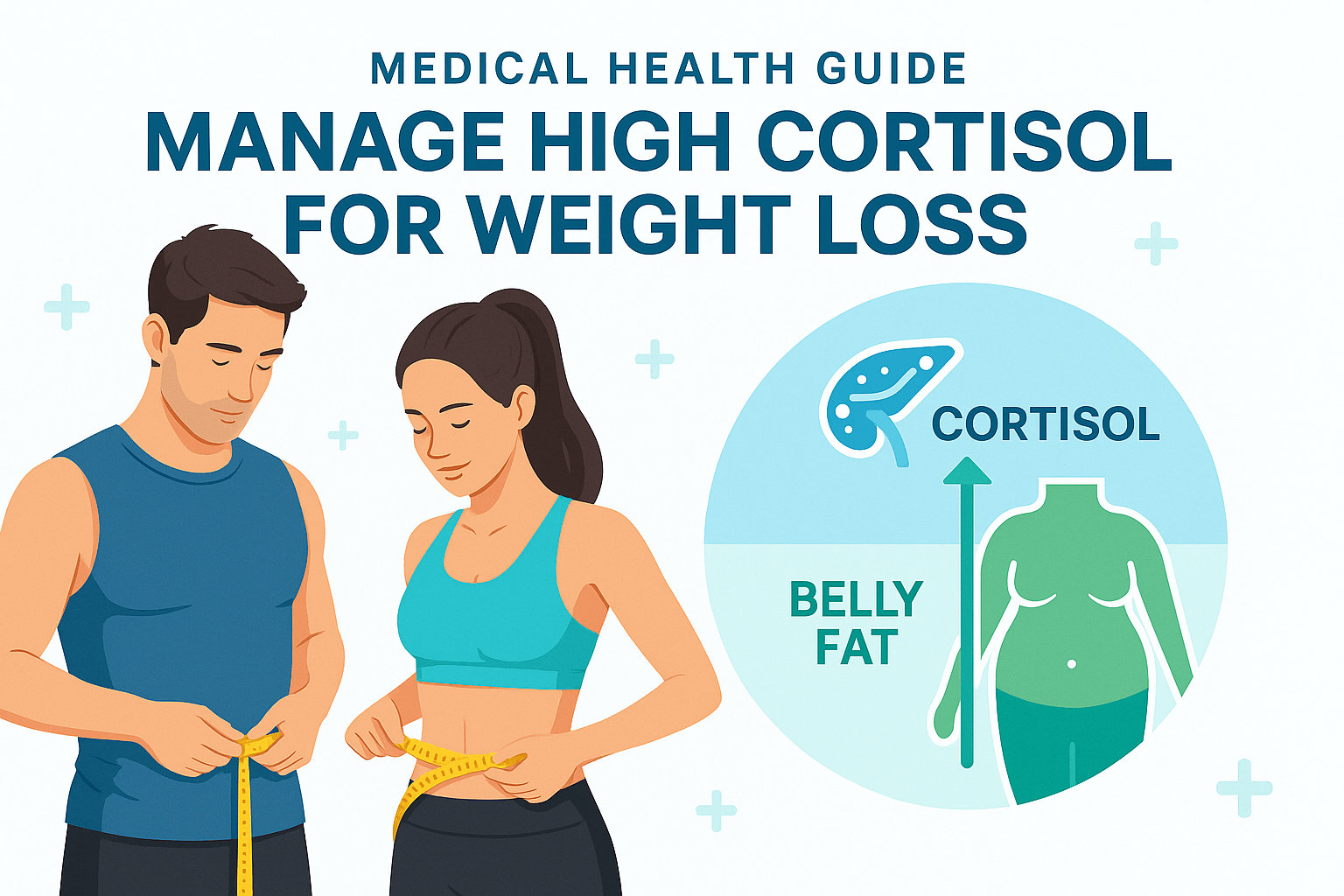
Managing high cortisol is key to reducing stubborn belly fat and improving weight loss outcomes
7 Powerful Proven Ways to Manage High Cortisol Weight Loss That Actually Work
Quick Answer: Rebalance Stress Hormones to Shed Stubborn Fat
Answer: High cortisol disrupts metabolism and stores excess fat, especially around the midsection.
To manage high cortisol weight loss, adopt a holistic strategy: reduce stress, eat nutrient‑dense foods, exercise wisely, sleep deeply and practice mindful eating.
Use adaptogenic supplements like CortiSync and CalmLean and get professional guidance. These seven ultimate, proven steps work together to lower cortisol and activate fat burning[1].
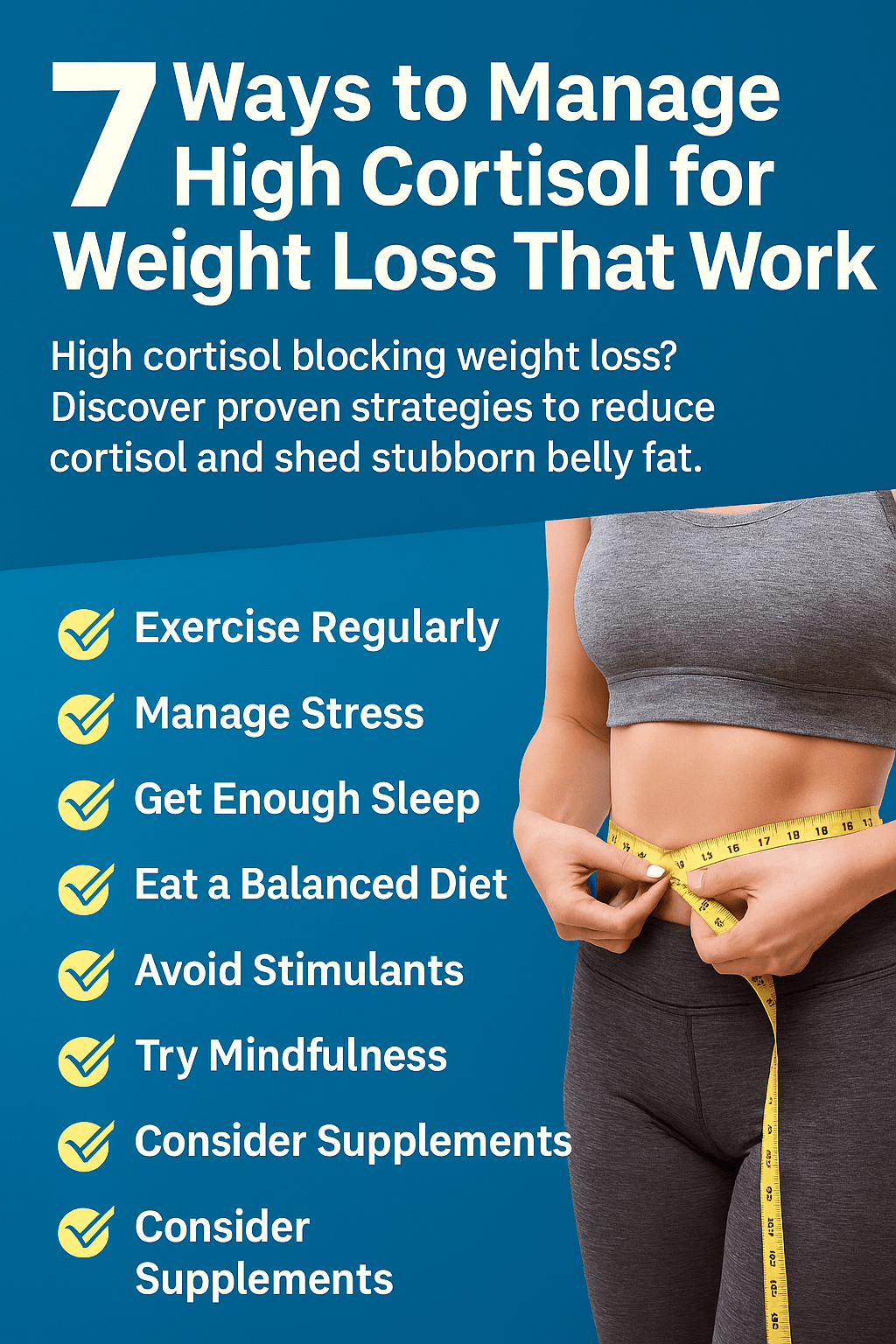
If you’ve been eating right, working out diligently and still can’t get rid of your “stress belly,” you’re not alone. Many people unknowingly fight an uphill battle against elevated cortisol—the body’s primary stress hormone.
Cortisol helps you respond to immediate danger by mobilizing glucose and boosting alertness.
Yet when cortisol stays high, your body clings to fat, especially around your waist[1].
It triggers cravings for sugary and fatty foods, slows thyroid activity and impairs insulin sensitivity. To manage high cortisol weight loss, you must treat the root cause: chronic stress.
In this expansive guide, you’ll discover why cortisol makes weight loss so difficult and learn seven ultimate, proven strategies to overcome it. We’ll explore each approach in depth—providing actionable tips, scientific context and real success stories.
You’ll also find detailed plans, supportive resources and product recommendations (like CortiSync and CalmLean) that can amplify your results.
Whether you’re dealing with work stress, hormonal fluctuations or lifestyle challenges, this guide shows you how to regain hormonal balance and finally achieve the body you deserve.
Understanding Cortisol: The Science Behind Stress & Fat Storage
Cortisol isn’t inherently bad. In short bursts, it raises glucose levels, keeps you alert and helps you survive life‑threatening situations.
But when you constantly feel “on,” your adrenal glands pump out cortisol around the clock. This sustained release alters nearly every system in your body. Here’s what happens under the hood:
- Energy redistribution. Cortisol diverts energy away from long‑term processes like digestion, reproduction and immunity. It prioritizes immediate fuel, causing your body to break down protein (including muscle) to produce glucose.
- Cravings and reward. Elevated cortisol drives you to seek comfort foods. It interacts with appetite hormones (ghrelin and leptin) and reward centers in the brain, making high‑fat, high‑sugar snacks irresistible[1].
- Visceral fat accumulation. Excess glucose is converted into fat and stored deep within the abdomen[9]. This visceral fat produces inflammatory chemicals and additional cortisol, perpetuating the cycle.
- Thyroid suppression. Chronic stress lowers the conversion of thyroid hormones (T4 to T3), slowing your metabolism and making it harder to burn calories.
- Insulin resistance. With frequent cortisol surges, cells become less sensitive to insulin. Blood sugar remains elevated, and the pancreas produces more insulin, pushing your body into fat‑storage mode.
Understanding these mechanisms is empowering. Rather than blaming yourself for a lack of willpower, you recognize that hormones are working against you.
With targeted interventions, you can change your hormonal landscape and make weight loss possible—even enjoyable. The next sections outline how to manage high cortisol weight loss through holistic lifestyle changes.
1. Master Stress Management: Your Foundation for Success
Because stress is the primary driver of cortisol, stress management must be at the core of your plan. This section goes beyond generic advice and offers detailed strategies you can implement today to manage high cortisol weight loss.
Sleep: Your Hormonal Reset
Sleep is the single most powerful regulator of cortisol. When you sleep enough (7–9 hours per night), your cortisol follows a healthy rhythm: rising in the morning to wake you up and declining by evening[4].
Inadequate sleep keeps cortisol high, raises ghrelin (hunger hormone) and lowers leptin (satiety hormone). To optimize sleep:
Create a bedroom sanctuary free of electronics and light pollution. Use blackout curtains, earplugs or white noise machines. Maintain a consistent sleep schedule—even on weekends.
Wind down with a ritual like journaling or reading fiction. Avoid heavy meals, caffeine and intense exercise within three hours of bedtime.
If your schedule permits, experiment with short midday naps to reduce afternoon cortisol spikes. Over time, these habits lower stress and help you manage high cortisol weight loss.
Breathwork & Meditation: Calm Your Nervous System
Deep breathing signals the parasympathetic nervous system to relax, reducing cortisol. One effective technique is box breathing: inhale through the nose for four seconds, hold for four, exhale through the mouth for four and hold again for four. Repeat for several minutes.
Meditation amplifies these benefits by training you to observe thoughts without reacting.
Guided meditations, apps and mindfulness courses can help you build a daily practice. Studies show that regular mindfulness reduces stress, improves mood and lowers cortisol[7].
By pairing breathwork and meditation, you strengthen your stress response and naturally manage high cortisol weight loss.
Positive Social Connections & Laughter
Humans are social creatures. Nurturing relationships and laughing with loved ones increases oxytocin, the “bonding hormone,” which antagonizes cortisol.
Schedule regular catch‑ups with friends or join a club centered on your interests. Volunteer in your community to connect with like‑minded people.
Laughter yoga, comedy shows and even funny videos can lift your spirits and reduce stress. Strong social support makes it easier to stick with the habits that manage high cortisol weight loss.
Professional Guidance: Therapy & Coaching
Sometimes stress stems from deep‑seated issues or complex situations. Working with a psychologist or coach can provide tools to cope with anxiety, trauma or emotional eating[3].
Cognitive behavioral therapy (CBT) and acceptance and commitment therapy (ACT) are evidence‑based modalities that can transform your relationship with stress.
Dialectical behavior therapy (DBT) is another tool that teaches skills for emotional regulation and resilience.
A registered dietitian or functional medicine practitioner can also evaluate your nutrient status and design a diet tailored to manage high cortisol weight loss. Investing in professional support accelerates progress and prevents setbacks.
2. Exercise Wisely: Move for Energy & Balance
Exercise is essential for physical and mental health. But the wrong type or amount can backfire when cortisol is high. The goal is to move in ways that release endorphins and build muscle without overtaxing your adrenals. Here’s how:
Moderate Cardio: Steady & Sustainable
Cardiovascular exercise enhances mood, supports heart health and helps burn calories[2].
Choose moderate intensity activities like brisk walking, light jogging, cycling or swimming for 150–200 minutes per week. You should be able to carry on a conversation during these sessions.
Break workouts into shorter bouts if needed—three 10‑minute walks provide the same benefits as one 30‑minute walk.
Use walking meetings or “walk and talk” phone calls to seamlessly integrate movement into your day. This approach reduces stress and helps you manage high cortisol weight loss without exhausting your body.
Strength Training: Build Metabolic Muscle
Muscle tissue burns more calories at rest than fat. Incorporating resistance training elevates metabolism, improves insulin sensitivity and shapes your body[8].
Lift weights or use resistance bands 2–3 times per week and focus on compound movements like squats, deadlifts, lunges, chest presses and rows. Keep sessions under 60 minutes to avoid excessive cortisol release.
Ensure you rest for 48 hours between training the same muscle group. Use progressive overload—gradually increasing weight or reps—to stimulate growth. Building muscle is a cornerstone of any plan to manage high cortisol weight loss.
Mind–Body Practices: Yoga, Pilates & Tai Chi
Mind–body modalities improve flexibility, balance and core strength while calming the nervous system.
Yoga reduces cortisol and may lower blood pressure[7], while Pilates strengthens your core and enhances postural awareness. Tai chi combines flowing movements with breath control.
These practices are perfect on active recovery days or when you’re feeling stressed. They allow you to maintain activity without spiking cortisol, aiding your mission to manage high cortisol weight loss.
Interval Training: Use Sparingly
High‑intensity interval training (HIIT) involves short bursts of maximum effort followed by brief recovery periods. It’s efficient for fat loss but also creates large cortisol spikes.
Limit HIIT to one or two short sessions per week and avoid it if you’re already sleep deprived or under significant stress. Always pair HIIT with adequate recovery strategies like stretching, foam rolling and magnesium supplementation.
3. Eat to Balance: Nutrient‑Dense Fuel for Hormonal Harmony
Nutrition is the foundation of hormone health. By eating whole foods, balancing macronutrients and timing meals, you can keep blood sugar steady, reduce inflammation and lower cortisol. This section provides a deeper look at dietary strategies to manage high cortisol weight loss.
Whole Food Foundation
Base each meal around whole, unprocessed foods: colorful vegetables, fruits, lean proteins, whole grains and healthy fats[5].
These foods provide fiber, vitamins and minerals that nourish your adrenal glands and support detoxification. Avoid refined sugar and flour, which spike blood sugar and cortisol.
Instead of white bread, choose quinoa or sweet potatoes. Replace sugary cereals with oats topped with nuts and berries. This simple switch helps you manage high cortisol weight loss naturally.
Colorful Plant Variety
Eating the rainbow ensures you obtain a variety of phytonutrients. Greens like kale and spinach provide magnesium and folate. Orange vegetables like carrots and sweet potatoes supply beta‑carotene.
Red and purple fruits contain anthocyanins that fight inflammation. Dark chocolate with 70 % cacao or higher offers polyphenols that reduce cortisol[5].
Aim for at least five servings of fruits and veggies each day—two at breakfast, one at lunch and two at dinner—to fully support your goal to manage high cortisol weight loss.
Smart Carb Cycling
Carbohydrates fuel your brain and muscles, but timing matters when cortisol is high. Include most of your carbs earlier in the day when cortisol naturally peaks. This provides energy for activity and helps regulate blood sugar.
In the evening, reduce carbs and increase healthy fats and proteins to prevent late‑night insulin spikes. For example, enjoy oatmeal or whole grain toast with breakfast, quinoa or brown rice at lunch and roasted vegetables with fish for dinner.
Carb cycling balances hormones and supports your mission to manage high cortisol weight loss.
Protein Power
Protein stabilizes blood sugar and repairs tissues.
Include protein at each meal and snack—eggs, poultry, fish, beans, lentils, tofu or Greek yogurt. A general guideline is 0.8–1.2 grams of protein per pound of body weight, depending on your activity level.
Distributing protein intake evenly across meals keeps you satisfied and prevents cortisol‑driven cravings.
Healthy Fats & Omega‑3s
Healthy fats are essential for hormone production and brain function. Choose sources like avocados, extra virgin olive oil, nuts, seeds and fatty fish.
Omega‑3s reduce inflammation and may lower cortisol[5]. Add chia seeds or ground flaxseed to smoothies. Snack on walnuts. Grill salmon or sardines twice weekly.
These fats provide satiety, making it easier to follow the nutrition plan that will help you manage high cortisol weight loss.
Hydrate & Mineralize
Even mild dehydration triggers stress hormones[5]. Aim for half your body weight (in pounds) in ounces of water daily. Herbal teas count toward hydration and offer additional benefits.
Chamomile, holy basil and lemon balm have mild sedative effects, while green tea supplies L‑theanine, which can help reduce stress. Consider adding mineral drops or drinking mineral water to replenish electrolytes lost through sweat, supporting adrenal function.
Proper hydration plays a key role in any plan to manage high cortisol weight loss.
Supplements to Support Nutrition
Although whole foods should provide most nutrients, targeted supplements can fill gaps. Magnesium, vitamin C and B‑complex vitamins support adrenal health.
Adaptogens like ashwagandha and Rhodiola further modulate stress[6]. CortiSync combines these into one convenient formula. A high‑quality fish oil provides EPA and DHA if you don’t consume enough fatty fish.
A probiotic supports gut health, which influences stress responses via the gut–brain axis. These supplements complement your diet and enhance your ability to manage high cortisol weight loss.
4. Prioritize Sleep & Circadian Rhythm
Sleep deserves extra emphasis because it’s the cornerstone of hormonal health.
When your circadian rhythm (your 24‑hour internal clock) is aligned, cortisol peaks in the morning and gradually tapers off toward bedtime[4]. To maintain this rhythm, follow these recommendations:
Optimize Your Bedroom Environment
Keep your room dark, cool and quiet. Use blackout curtains to block street lights. Maintain a temperature between 60–67 °F (15–19 °C).
Consider a white noise machine to mask disruptive sounds. Replace your pillow and mattress every 7–10 years to ensure proper support.
This environment promotes deep sleep and helps you manage high cortisol weight loss.
Morning & Evening Routines
Expose yourself to natural light within 30 minutes of waking to signal your circadian clock.
Step outside for a quick walk or stretch by a window. In the evening, dim lights an hour before bed. Avoid blue light from phones and computers; if necessary, use blue‑light‑blocking glasses.
Engage in calming activities like reading, stretching or journaling. Consistent routines reinforce your sleep–wake cycle and promote healthy cortisol patterns.
Limit Naps & Stimulants
If you need to nap, keep it under 30 minutes and avoid napping after 3 PM. Longer naps or late naps can disrupt nighttime sleep.
Limit caffeine to the morning—avoid coffee and tea after noon. If you crave an afternoon pick‑me‑up, try a walk, deep breathing or an herbal tea.
Managing stimulants and naps ensures your cortisol cycle stays on track, supporting your ability to manage high cortisol weight loss.
Sleep Disorders & Hormonal Health
Conditions like sleep apnea, restless leg syndrome and insomnia can raise cortisol. If you snore loudly, feel exhausted despite 8 hours in bed or have trouble falling asleep, consult a healthcare professional.
Sleep studies can identify disorders that require specific treatments. Addressing these issues may be the missing link in your journey to manage high cortisol weight loss.
5. Practice Mindful Eating & Emotional Awareness
Food cravings often stem from stress rather than hunger. Mindful eating helps you become aware of triggers, differentiate between physiological and emotional hunger and make conscious choices.
This practice is vital if you want to manage high cortisol weight loss without feeling deprived.
Slow Down & Engage
Before meals, pause and take three deep breaths. Notice the smell, appearance and textures of your food.
Put down utensils between bites and chew thoroughly. This slows digestion, enhances nutrient absorption and gives your brain time to register fullness.
Additionally, this simple ritual becomes a mindful anchor that lowers stress and encourages you to manage high cortisol weight loss with grace.
Identify Emotional Eating Patterns
Stress, boredom, sadness and even happiness can prompt unnecessary snacking. Keep a food and mood journal to identify patterns.
Ask yourself: “Am I actually hungry?” and “What do I need right now?” If you’re not hungry, consider alternatives like calling a friend, practicing deep breathing or taking a short walk.
Over time, this awareness reduces emotional eating and strengthens your ability to manage high cortisol weight loss.
Stay Present & Enjoy Your Meals
Avoid eating while working, driving or scrolling your phone. Distractions cause you to eat faster and more.
Set aside dedicated time for meals, even if it’s just 15 minutes. Eat with loved ones whenever possible—conversation slows you down and creates positive associations with healthy food.
Use Smaller Plates & Portion Mindfully
Trick your brain into feeling satisfied by using smaller plates or bowls. Serve appropriate portions instead of eating straight from packages. This visual cue helps prevent overeating and keeps your nutrition plan on track, making it easier to manage high cortisol weight loss.
Celebrate Wins, Not Perfection
Mindful eating isn’t about restriction. If you decide to enjoy a treat, savor it fully and move on.
Resist the “all or nothing” mentality—one misstep doesn’t negate your progress. Celebrate small wins like choosing veggies over fries or stopping when satisfied.
This positive mindset decreases stress and supports long‑term success.
6. Adaptogenic Supplements & CortiSync: The Advanced Approach
While lifestyle modifications form the backbone of any plan to manage high cortisol weight loss, adaptogenic herbs and targeted supplements can provide an extra edge.
Adaptogens are plants and nutrients that help your body adapt to stress, regulating cortisol and supporting energy without overstimulation. Let’s dive deeper:
Ashwagandha: The Stress Soother
Ashwagandha (Withania somnifera) is one of the most studied adaptogens. Clinical trials show that supplementation with 250–600 mg per day reduces cortisol and improves sleep quality[6].
Ashwagandha also supports thyroid function and may enhance mood. Look for standardized extracts like KSM‑66® to ensure potency. Consider dividing doses—morning and evening—to maintain consistent levels.
Incorporating ashwagandha into your routine is a powerful way to manage high cortisol weight loss.
Rhodiola Rosea: The Energy Enhancer
Rhodiola is used in traditional European and Asian medicine to increase stamina and fight fatigue. It works by modulating stress response systems and neurotransmitters.
Studies suggest that 200–600 mg per day improves mental performance, reduces fatigue and lowers stress, making it a useful ally for those looking to manage high cortisol weight loss.
Phosphatidylserine: The Brain & Hormone Protector
Phosphatidylserine is a phospholipid found in high concentrations in brain cells. It reduces cortisol response to exercise and stress[6].
Typical dosages range from 300 to 800 mg per day. In addition to modulating stress hormones, phosphatidylserine may improve memory and focus—benefits that help you stay consistent with the habits needed to manage high cortisol weight loss.
Other Helpful Adaptogens
Besides ashwagandha, Rhodiola and phosphatidylserine, consider these adaptogens:
- Eleuthero (Siberian ginseng) enhances endurance and resilience.
- Holy basil (Tulsi) supports immune function and reduces stress.
- Schisandra improves stamina and protects the liver.
- Ginseng boosts energy and may support metabolic health.
Always introduce one adaptogen at a time and monitor your response. While generally safe, some may interact with medications or underlying conditions. When in doubt, consult a healthcare professional.
CortiSync & CalmLean: Your Dynamic Duo
CortiSync combines several adaptogens—ashwagandha, Rhodiola, phosphatidylserine, magnesium and vitamin C—into a single formula. This synergy amplifies benefits and simplifies your supplement routine. Adults should take two capsules daily with a meal. Consistency is key; it may take 2–4 weeks to notice significant changes in stress, sleep and weight. CalmLean complements CortiSync by promoting fat burning through natural thermogenic ingredients. Together, they address both hormonal balance and metabolism, helping you manage high cortisol weight loss from multiple angles.
Primary Product: CortiSync (Adaptogenic Support)
CortiSync targets the hormonal root of weight gain by reducing cortisol and restoring adrenal balance. It combines ashwagandha, Rhodiola, phosphatidylserine, magnesium and vitamin C to support your body’s response to stress. Here are affiliate images and links to explore or purchase CortiSync:


Order CortiSync now and enjoy up to 67 % off plus a 67‑day money‑back guarantee. Don’t let stress sabotage your journey—take the first step to manage high cortisol weight loss today.
Ready for a Real Transformation?
CortiSync isn’t just another supplement—it’s a clinical‑grade formula designed to tackle the hormonal root of weight gain. Here’s why thousands trust CortiSync:
- Clinically‑proven adaptogen blend to lower cortisol and support adrenal health.
- Enhances energy and focus without stimulants, so you feel calm yet productive.
- Includes magnesium and vitamin C to support your immune system and overall vitality.
Order now to save up to 67 % and benefit from a 67‑day money‑back guarantee. There’s nothing to lose—except stubborn stress belly fat!
Secondary Product: CalmLean (Thermogenic Support)
CalmLean complements CortiSync by enhancing metabolism without jitters. It includes forskolin, Capsimax® and chromium to support fat burning while promoting a calm, focused state. Here are affiliate images and links for more details:

Click here to learn more about CalmLean and how stacking it with CortiSync can accelerate your efforts to manage high cortisol weight loss.
Amplify Your Results with CalmLean
CalmLean is your thermogenic ally, crafted to boost metabolism and enhance fat burning without the jitters:
- Powered by forskolin and Capsimax® to ignite stubborn fat stores naturally.
- Chromium supports healthy blood sugar, helping you avoid cravings.
- Formulated to pair perfectly with CortiSync for synergistic stress relief and fat loss.
Ready to accelerate your journey? Combine CalmLean with CortiSync for maximum effect.
7. Seek Professional Guidance & Address Underlying Causes
If you’ve implemented these strategies and still struggle to manage high cortisol weight loss, it may be time to consult a healthcare professional. Chronic stress can result from underlying conditions like Cushing’s syndrome, thyroid disorders or PCOS[10].
Medications such as corticosteroids, birth control pills and certain antidepressants also elevate cortisol[11]. Don’t stop medications abruptly; instead, work with your doctor to adjust dosages or explore alternatives.
Your practitioner may order blood, urine or saliva tests to measure cortisol at different times of day. They can also evaluate thyroid function, insulin resistance and nutrient status. Based on results, they may recommend hormone therapy, medication adjustments or targeted supplements. Remember, a personalized plan is essential to effectively manage high cortisol weight loss and safeguard your health.
Additional Therapies & Lifestyle Enhancements
Beyond diet, exercise, sleep and supplements, several complementary therapies can support your journey to manage high cortisol weight loss:
- Massage therapy: Regular massages lower cortisol, reduce muscle tension and improve circulation.
- Acupuncture: Traditional Chinese Medicine uses needles to stimulate points that influence stress and hormonal balance. Some studies suggest acupuncture reduces cortisol and anxiety.
- Journaling & gratitude practice: Writing down your thoughts or listing three things you’re grateful for each day shifts focus away from stress and fosters a positive mindset.
- Nature immersion: Spending time outdoors lowers cortisol and boosts mood. Forest bathing (Shinrin‑yoku) and barefoot grounding are popular practices.
- Aromatherapy: Essential oils like lavender, bergamot and frankincense can promote relaxation. Diffuse them or add a few drops to a warm bath.
Integrating these therapies provides additional avenues to calm your nervous system and improve your ability to manage high cortisol weight loss.
Real‑Life Success Stories: Inspiration for Your Journey
Sometimes reading about others’ transformations fuels your motivation. Here are three more success stories demonstrating how these strategies can be used to manage high cortisol weight loss.
Case Study 3: Maria’s Postpartum Renewal
Maria, 32, struggled with postpartum weight gain after her second child. She felt overwhelmed balancing motherhood and a full‑time job. Chronic sleep deprivation and stress eating led to steady weight gain around her midsection.
After learning about cortisol, Maria decided to make changes. She enlisted her partner’s support to share nighttime duties, allowing her to sleep at least seven hours. She adopted mindful eating, preparing balanced lunches instead of grabbing fast food. Maria also added two 20‑minute strength sessions at home each week and a daily stroller walk with her baby.
She took CortiSync twice daily and used CalmLean to boost her metabolism. Within four months, Maria lost 22 pounds and regained her confidence. “I now know how to manage high cortisol weight loss while caring for my family. The results have been life‑changing,” she says.
Case Study 4: Michael’s Corporate Comeback
Michael, 47, was a high‑powered attorney living on caffeine and adrenaline. He suffered from insomnia, stress eating and rapid weight gain. After a health scare, he committed to change.
Michael began practicing 15 minutes of meditation each morning and evening, replaced energy drinks with herbal tea and restructured his work schedule to include a lunch break. He joined a gym near his office and incorporated moderate cardio and strength training.
Working with a nutritionist, Michael incorporated whole foods and reduced sugar. Guided by his doctor, he started taking CortiSync and CalmLean. Over nine months, he lost 35 pounds, reduced his waist size by 5 inches and significantly improved his blood pressure. “Learning to manage high cortisol weight loss has transformed not only my body but my entire outlook on work and life,” he shares.
Case Study 5: Aysha’s University Triumph
Aysha, 23, was juggling full‑time university courses, a part‑time job and family responsibilities. Constant stress led to late‑night snacking, weight gain and fatigue. After reading about cortisol, she recognized that stress—not laziness—was the culprit.
Aysha began studying time management and prioritized self‑care. She set boundaries around her study sessions, took short breaks for deep breathing and started journaling her emotions. Aysha switched from processed snacks to homemade salads, soups and trail mixes and attended a weekly yoga class.
She also took daily 30‑minute walks while listening to audiobooks. Using CortiSync to support her adrenals and CalmLean to increase her metabolism, she lost 28 pounds within a year, improved her grades and felt more energetic. “When I learned how to manage high cortisol weight loss, everything fell into place. I realized my mental and physical health go hand‑in‑hand,” Aysha says.
30‑Day Action Plan: Get Started Today
The strategies outlined above may seem overwhelming. To simplify your journey, follow this 30‑day plan to manage high cortisol weight loss. Adjust as needed based on your schedule and energy levels.
- Week 1: Focus on sleep and hydration. Aim for 7–9 hours of sleep, set a consistent bedtime, and drink water throughout the day. Begin journaling to identify emotional eating triggers.
- Week 2: Add moderate exercise. Start with 30‑minute walks or light cycling four times this week. Incorporate one 20‑minute strength session. Continue mindful eating practices.
- Week 3: Introduce adaptogens. Begin taking CortiSync daily as directed. If desired, add CalmLean for thermogenic support. Increase strength training to twice weekly and attend a yoga or Pilates class.
- Week 4: Layer in advanced strategies. Try breathwork or meditation for 10 minutes daily. Experiment with carb cycling—more complex carbs earlier in the day, fewer in the evening. Schedule a massage or acupuncture session to further reduce stress.
By the end of these 30 days, you’ll have a solid foundation to manage high cortisol weight loss. Use the following months to refine your routine: adjust macros based on your energy and progress, increase strength training intensity and remain consistent with stress management practices. Reevaluate your plan every few months and celebrate each victory along the way.
Internal Links & Resources
To deepen your understanding and reinforce your efforts to manage high cortisol weight loss, explore these related articles on our site (links open in a new tab):
- How to Get Rid of Cortisol Belly
- Supplements to Lower Cortisol and Lose Weight
- Stress and Weight Gain
- Best Cortisol Supplements
- Adaptogenic Herbs for Stress
- Foods That Reduce Cortisol
- Breathing Exercises to Reduce Cortisol
- Exercise to Lower Cortisol
Meet Our Medical Experts
Our content is reviewed by a diverse team of healthcare professionals to ensure it’s accurate, trustworthy and actionable. Their combined expertise spans medicine, pharmacy, nutrition and wellness.

Dr. Sarah Mitchell, MD – Chief Medical Officer & Women’s Health Expert
Dr. Mitchell has over 18 years of experience in women’s health and hormonal balance. She completed her medical degree at Johns Hopkins and a fellowship at Mayo Clinic. Her research focuses on stress hormones and weight management. Dr. Mitchell ensures our recommendations to manage high cortisol weight loss align with current science.

Dr. John Carter, PharmD – Clinical Pharmacist & Lead Scientific Reviewer
With 16 years of experience in pharmacology and nutrition, Dr. Carter evaluates supplement safety and efficacy. His expertise helps us recommend evidence‑based products like CortiSync and CalmLean. He believes integrative medicine is key for anyone looking to manage high cortisol weight loss.

Emily Wallace, RD – Clinical Nutritionist & Content Director
Emily is a registered dietitian with a master’s in nutrition science. She oversees our educational content and ensures all dietary recommendations are practical and science‑backed. Emily is passionate about helping readers manage high cortisol weight loss through food and lifestyle changes.
Frequently Asked Questions
How does high cortisol affect weight loss?
Elevated cortisol slows your metabolism, increases insulin production and triggers cravings for energy‑dense foods[1]. Over time, this leads to more visceral fat around the abdomen[9]. Lowering cortisol through stress management, nutrition, exercise and targeted supplementation helps restore normal metabolism and supports sustainable weight loss.
What foods should I avoid to manage high cortisol weight loss?
Avoid foods high in added sugars, refined grains and saturated fats. These foods elevate cortisol and contribute to abdominal fat[5]. Instead, prioritize whole grains, fruits, vegetables, lean proteins and healthy fats like omega‑3s. Stay hydrated and limit caffeine and alcohol for better hormone balance.
Can I exercise every day if I have high cortisol?
Daily movement is beneficial, but high‑intensity workouts every day can keep cortisol elevated[8]. Aim for 150–200 minutes of moderate exercise per week plus 2–3 strength‑training sessions. Include rest days and incorporate yoga or stretching to promote recovery and hormonal balance.
Do adaptogenic supplements really help manage high cortisol weight loss?
Yes. Adaptogens like ashwagandha, Rhodiola and phosphatidylserine have been shown to reduce cortisol[6]. They work best when combined with healthy lifestyle practices. CortiSync combines several adaptogens in one formula, making it easier to remain consistent.
How long will it take to see results?
Results vary depending on your starting cortisol levels, genetics, health status and adherence. Many people notice improved mood and energy within two weeks. Significant fat loss may take 6–12 weeks. The most important factor is consistency across the seven strategies to manage high cortisol weight loss.
Is it safe to take CortiSync with other supplements?
Generally, yes. However, always consult a healthcare provider before combining supplements, especially if you take medications. Some adaptogens may interact with antidepressants, blood thinners or thyroid medication. Your doctor can advise on appropriate dosages and combinations.
What if my high cortisol is caused by a medical condition?
Conditions like Cushing’s syndrome, thyroid disorders and tumors can cause high cortisol[10]. If you suspect a medical cause, seek evaluation by a doctor. Treating the underlying condition is essential before lifestyle interventions will be effective.
Can I still enjoy treats while managing high cortisol weight loss?
Yes! Incorporating occasional treats in moderation is part of a balanced approach. Practice mindful eating—savor each bite and stop when satisfied. As cortisol levels normalize, cravings typically decrease, making it easier to enjoy treats without derailing progress.
Conclusion: Your Journey to Hormonal Harmony & Lasting Transformation
High cortisol can feel like a silent saboteur, but you are not powerless. By understanding how cortisol disrupts metabolism and learning to manage high cortisol weight loss, you put control back in your hands. Through stress reduction, intelligent exercise, nourishing food, restorative sleep, mindful eating, adaptogenic supplements and personalized medical guidance, you create a blueprint for success.
The stories of Sarah, John, Maria, Michael and Aysha prove that change is possible at any age or stage of life. You deserve to feel energetic, confident and at peace in your body. Start today by implementing one strategy—then build momentum. Each step brings you closer to the vibrant health and weight you desire. Your journey to hormonal harmony begins now.
[1] High cortisol raises insulin, triggers cravings and promotes visceral fathttps://health.clevelandclinic.org/stress-and-weight-gain#:~:text=Cortisol%20is%20a%20hormone%20,to%20survive%20in%20the%20moment.
[2] Regular exercise reduces stress and helps manage body weighthttps://www.healthline.com/nutrition/cortisol-and-weight-gain#:~:text=Stay%20active.
[3] Mindful eating is linked to lower body weight and better eating habitshttps://www.healthline.com/nutrition/cortisol-and-weight-gain#:~:text=Mindfulness%20comes%20from%20a%20Buddhist,21%20Trusted%20Source.
[4] Adequate sleep (7–9 hours) keeps cortisol in balance and supports metabolismhttps://www.healthline.com/nutrition/cortisol-and-weight-gain#:~:text=Get%20more%20sleep.
[5] A diet high in whole foods and low in added sugar reduces cortisol levelshttps://www.healthline.com/nutrition/ways-to-lower-cortisol#:~:text=10.
[6] Adaptogens like ashwagandha, Rhodiola and phosphatidylserine can lower cortisolhttps://www.healthline.com/nutrition/ways-to-lower-cortisol#:~:text=cortisol%20levels.
[7] Stress management techniques like sleep, quitting smoking and mindfulness reduce cortisolhttps://www.verywellhealth.com/the-cortisol-weight-loss-controversy-3233036#:~:text=Cortisol%20is%20a%20hormone%20produced,lead%20to%20increased%20abdominal%20fat.
[8] Moderate exercise and mindful dietary changes help control cortisol and support weight losshttps://www.verywellhealth.com/the-cortisol-weight-loss-controversy-3233036#:~:text=2,of%20Exercise.
[9] Excess cortisol encourages overeating and stores excess glucose as abdominal fathttps://www.verywellhealth.com/the-cortisol-weight-loss-controversy-3233036#:~:text=Some%20studies%20have%20found%20that,amount%20of%20food%20they%20eat.
[10] Underlying conditions such as Cushing’s syndrome, thyroid disorders and PCOS can cause high cortisolhttps://www.verywellhealth.com/the-cortisol-weight-loss-controversy-3233036#:~:text=5.
[11] Medications including corticosteroids, birth control pills and certain antidepressants may elevate cortisolhttps://www.verywellhealth.com/the-cortisol-weight-loss-controversy-3233036#:~:text=4,Your%20Doctor%27s%20Help.
About the Author