CortiSync: Complete Hormonal Wellness for Women
This article is part of our Cortisol & Stress: The Complete Guide.
Women’s Stress and Hormonal Balance: Honest Buyer’s Guide
By Healthy Supplements Editorial Team · Last updated: October 31, 2026
Affiliate disclosure: some links on this page are affiliate links. If you buy through them we may earn a commission at no extra cost to you. This page is general information, not medical advice.
Women’s stress and hormonal balance are tied together more closely than most people expect, and the supplement aisle is full of promises about fixing both at once. This guide keeps the promises out and the useful parts in: what is known, what is not, what one popular formula costs, and who should talk to a clinician first.
Quick answer: Women’s stress and hormonal balance respond first to sleep, food, movement and recovery time. A supplement such as CortiSync is an optional add-on aimed at stress support, not a hormone treatment. Its official page lists 1 bottle at $59 down to $49 a bottle on the 6-bottle pack, with a 67-day money-back guarantee (read 2026-10-31). Persistent cycle changes need a clinician, not a capsule.
Check Cortisync on the Official Site →
Check CortiSync Price and Guarantee
Contents
Why women’s stress and hormonal balance are linked
Stress is not only a feeling. When you are under pressure, the body releases cortisol and adrenaline to get you through the moment. That response is useful in short bursts. When pressure never lets up, the same signals stay switched on, and sleep, appetite, mood and energy tend to drift together.
Hormones do not work in separate boxes. The brain regions that run the stress response also take part in regulating the reproductive system, so it is common for women to notice that a hard season at work, a bereavement or months of poor sleep shows up in their cycle, their skin, their mood or their weight. That is an everyday observation, not a diagnosis, and it is only one of several possible explanations for any given symptom.
Three practical points follow from that. First, women’s stress and hormonal balance should be approached as a whole-routine question, not a single-pill question. Second, symptoms that look like “stress” can come from thyroid problems, iron deficiency, polyendocrine metabolic ovarian syndrome (the condition formerly called PCOS), perimenopause or medication effects, so patterns that persist deserve a proper check. Third, any supplement is a small lever next to sleep and daily habits.
If you want the cortisol side of the story in more detail, our guides on how chronic stress affects cortisol and the signs of high cortisol in women are good next reads.
Stress and the menstrual cycle
Mayo Clinic describes the menstrual cycle as counted from the first day of one period to the first day of the next, with bleeding every 24 to 38 days and lasting up to 8 days considered within the typical range. Within that broad range, “typical” mostly means typical for you, which is why tracking your own start dates for a few months is the most useful first step.
Mayo’s list of causes behind irregular periods is long: pregnancy or breastfeeding, eating disorders, extreme weight loss or very heavy exercise, polyendocrine metabolic ovarian syndrome, premature ovarian failure, pelvic inflammatory disease and uterine fibroids. Stress can sit alongside several of these, but it should not be assumed to be the cause.
The same Mayo page lists when to speak to a healthcare professional. Book a visit if your periods suddenly stop for more than 90 days and you are not pregnant, if they become irregular after being regular, if you bleed for more than eight days, if you soak through more than one pad or tampon every hour or two, if you pass clots larger than a quarter, if cycles are shorter than 24 or longer than 38 days, if you bleed between periods, or if you have severe pain. A supplement is not a substitute for any of those conversations.
Restore Your Calm: See CortiSync Details
Life stages and women’s stress and hormonal balance: when to ask for help
Teens and twenties
Cycles can take time to settle after the first periods, and exam seasons, shift work and sleep debt are common stressors. Habits formed here, such as regular sleep and enough food, carry the most long-term value.
Thirties and early forties
This is often the busiest stretch: careers, children, caring for parents. Mayo notes that cycles tend to become shorter and more regular with age, so a sudden change after years of regularity is worth mentioning to a clinician rather than putting down to stress alone.
Pregnancy and breastfeeding
This is the stage where supplements need the most caution. The NCCIH page on ashwagandha states it should be avoided during pregnancy and should not be used while breastfeeding. Anyone pregnant, trying to conceive or nursing should skip stress-support formulas unless their own clinician has approved them.
Perimenopause and menopause
Cycles can become irregular again as menopause approaches. Mayo advises talking with your healthcare team about any irregular bleeding around menopause, because the risk of uterine cancer rises with age. Sleep disruption and mood changes at this stage are common reasons to seek advice, and the NCCIH notes there is not enough evidence to say whether ashwagandha helps menopause symptoms.
Daily habits that support women’s stress and hormonal balance
Nothing here is exotic, and that is the point. These habits cost little and have the widest benefit:
- Protect sleep first. A regular bedtime, a dark cool room and less screen time late in the evening do more for mood and energy than most capsules. See our guide to the sleep environment and hormonal balance.
- Move most days. Walking, strength work or yoga all count. Mayo does warn that very heavy exercise combined with low food intake can interrupt periods, so more is not always better.
- Build in recovery. Even ten minutes of slow breathing, stretching or quiet time between tasks helps. Our breathing exercises page has simple routines.
- Keep caffeine and alcohol modest, especially in the afternoon and evening if sleep is the problem.
- Track and talk. A simple calendar of cycle dates, sleep and mood gives your clinician real information to work with.
More ideas are collected in our pages on lifestyle changes for cortisol and stress and gut health.
Nutrition for women’s stress and hormonal balance
You do not need a special diet for women’s stress and hormonal balance, but a few steady habits help. Eat regular meals so blood sugar does not swing, build each plate around protein and fibre-rich plants, and drink enough water. Very low calorie intake combined with hard exercise is one of the situations Mayo Clinic names as able to interrupt periods, so cutting food further is rarely the answer to a stressful season.
If your periods are heavy, ask your clinician whether iron testing makes sense, since tiredness can come from low iron rather than stress. Our guide to natural stress relief supplements and the ways to lower cortisol naturally go deeper on food and routine.
How to choose a supplement for women’s stress and hormonal balance
If you decide to try one, a short checklist keeps the decision grounded. Each point is something you can verify on the product page rather than take on trust.
- Ingredients named, not hidden. A label that lists each ingredient is easier to check against reliable sources such as the NCCIH.
- Doses shown or honestly absent. If a maker publishes no per-ingredient doses, treat any dose claim you see elsewhere as unverified.
- A real refund window. A 67-day guarantee with clear terms, including whether shipping is returned, limits your risk.
- No cure language. Women’s stress and hormonal balance cannot be “fixed” by a capsule, so be wary of anyone who says otherwise.
- A conversation with your clinician. Especially if you take medication or are pregnant, breastfeeding or planning surgery.
CortiSync: label, price and guarantee
Check Cortisync on the Official Site →
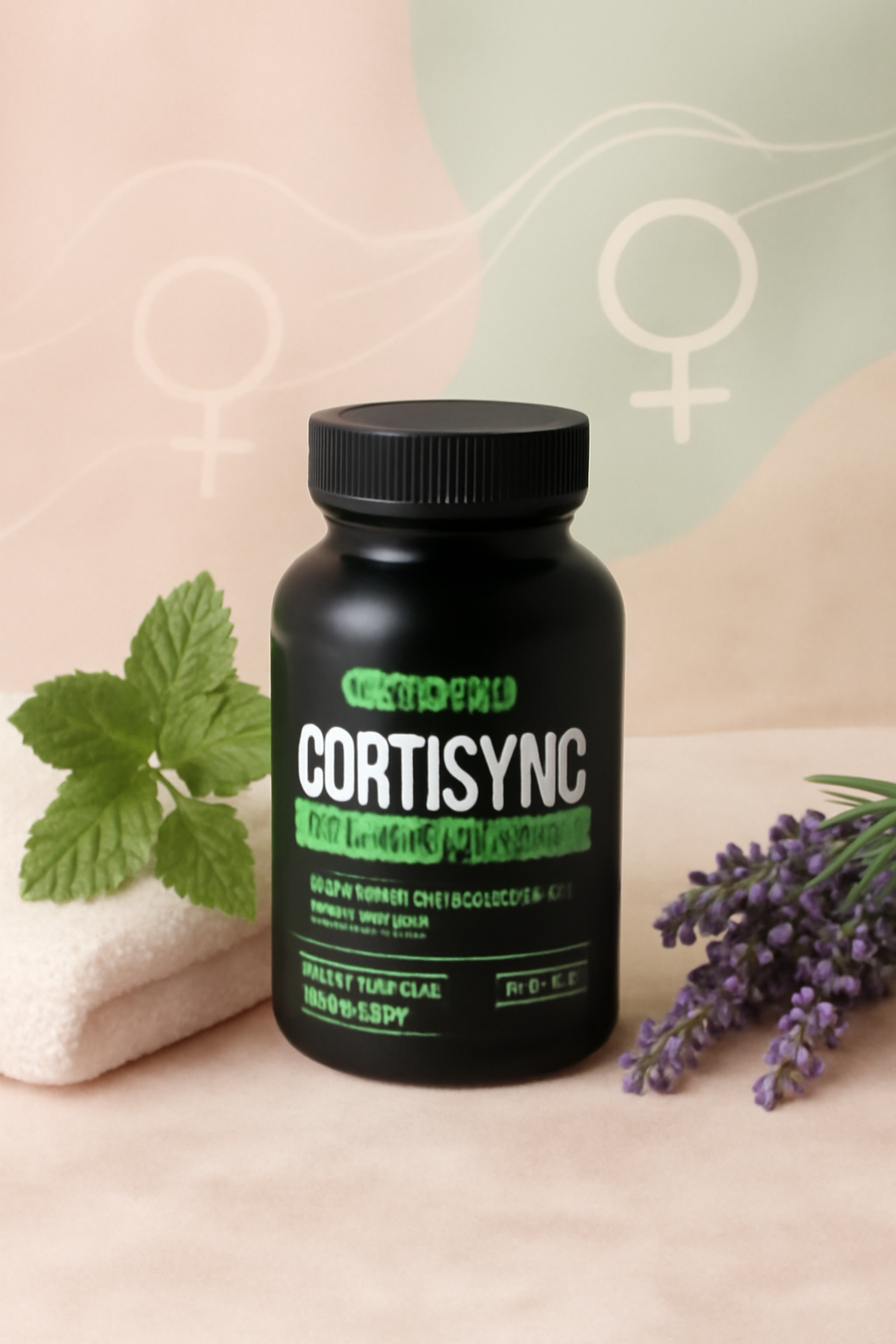
CortiSync is the product we link to most on this site, so it is only fair to set out exactly what the maker states and what it does not. On the official pages we read, the formula lists seven ingredients: Sensoril ashwagandha, holy basil, L-theanine, lemon balm, lichi, magnolia and rhodiola. The maker does not publish a per-ingredient dose on the pages we read, so we do not quote one.
| Pack (PrimeGENIX, read 2026-10-31) | Price |
|---|---|
| 1 bottle | $59 |
| 3 bottles | $55 per bottle |
| 6 bottles | $49 per bottle |
| Subscription | $49 (listed as saving $10) |
The refund window is 67 days and the page says the purchase price is returned minus shipping. Prices change, so confirm them on the official PrimeGENIX page before buying. For a deeper walk through the label, see our CortiSync user reviews guide.
Where it fits: CortiSync is positioned as a stress and cortisol support formula for adults. For women’s stress and hormonal balance goals, it suits someone who has already worked on sleep and routine, has no medical reason to avoid ashwagandha, and wants a structured trial with a refund safety net. It does not claim to treat a hormone condition, and neither do we.
Check Cortisync on the Official Site →
Support Your Hormonal Journey: Check Price
What the research on ashwagandha shows
Sensoril is an ashwagandha extract, so the best proxy for what one ingredient might do comes from ashwagandha trials. We have not opened a published trial of CortiSync itself, and the table keeps each source at the strength it supports.
| Source | What it reports | Limits |
|---|---|---|
| Chandrasekhar 2012, PubMed 23439798 | Randomized, double-blind, placebo-controlled trial of 64 adults with chronic stress: 300 mg of a root extract twice daily for 60 days lowered stress-scale scores and serum cortisol versus placebo. | One small single-centre trial of one extract; not a trial of CortiSync. |
| NCCIH, ashwagandha | Some preparations may help insomnia and stress; effect on anxiety unclear; not enough evidence for menopause. | Many studies are small and use different preparations. |
| NCCIH, safety | Possibly safe short term (up to 3 months); drowsiness, stomach upset possible; rare liver injury reports; avoid in pregnancy and breastfeeding. | Long-term safety unknown. |
The honest summary: the ingredient has some encouraging small trials for stress, none of this proves a hormone-balancing effect for women’s stress and hormonal balance, and individual results vary.
Who should skip supplements
Talk to a clinician first, or skip, if you:
- are pregnant, trying to conceive or breastfeeding (NCCIH says avoid ashwagandha in pregnancy and while breastfeeding);
- have a thyroid or autoimmune condition, liver problems, or surgery planned;
- take medication for diabetes or blood pressure, sedatives, anticonvulsants, thyroid hormone or immune-suppressing drugs, all named by NCCIH as possible interactions;
- have a hormone-sensitive condition or unexplained cycle changes, which need a diagnosis rather than a guess.
Other formulas on this site
Readers researching women’s stress and hormonal balance support often compare several products. These are the other affiliate formulas linked from this page. We have only quoted facts we could read on official pages, and you should confirm everything there before buying.
Check Provestra on the Official Site →
Provestra is sold as a women’s wellness formula. We have not reviewed its label for this guide, so read its official page for ingredients, price and refund terms. Visit the Provestra page.
Check Calmlean on the Official Site →
CalmLean lists ForsLean (Coleus forskohlii), chromium polynicotinate and BioPerine. On the PrimeGENIX page we read, it is $59 for one bottle, $56 each for three, $53 each for six and $49 on subscription, with a 67-day guarantee. See our CalmLean reviews guide. Check the CalmLean page.
Check Fertilityfactor5 on the Official Site →
Fertility Factor 5 is a male fertility formula, so it is not relevant to most readers here; it is listed only because it appears on the site. Its official page lists five ingredients and a 67-day return window. Check the official page, and see our Fertility Factor 5 reviews.
For wider comparisons, see the best cortisol supplements, best supplements for cortisol and supplements to reduce cortisol pages, or the guides on cortisol supplements for weight loss and how to reduce cortisol levels.
Check Cortisync on the Official Site →
Get CortiSync for women’s stress and hormonal balance support
- Prices and the 67-day guarantee are read from the official PrimeGENIX page (2026-10-31).
- Purchase through the official site, where our affiliate link applies code 618161.
- Check the label and the skip list above before you order.
Frequently asked questions
Can stress cause a hormonal imbalance in women?
Stress can influence the hormones that control sleep, appetite and the menstrual cycle, so many women notice changes during stressful periods. It is only one possible cause, though, and persistent changes should be checked by a clinician.
How can I balance my hormones when I am stressed?
Start with sleep, regular meals, movement and recovery time, and track your cycle for a few months. If symptoms continue, ask a clinician to rule out thyroid, iron, ovarian and other causes before trying supplements.
Can stress delay or change my period?
Many women report that cycles shift during stressful stretches, but Mayo Clinic lists many other causes, from pregnancy to fibroids. See a clinician if periods stop for more than 90 days or become irregular.
What does CortiSync cost and is there a guarantee?
On the official PrimeGENIX page, read on 2026-10-31, one bottle is $59, three bottles are $55 each, six bottles are $49 each, and a subscription is $49. A 67-day money-back guarantee applies, minus shipping.
Is ashwagandha safe for women to take every day?
NCCIH says ashwagandha may be safe short term, up to about three months, with too little data on long-term use. It should be avoided in pregnancy and breastfeeding, and rare liver injury cases have been reported.
Who should not take a stress supplement?
Anyone pregnant, breastfeeding, planning surgery, or living with thyroid, autoimmune or liver problems should ask a clinician first. So should anyone taking diabetes, blood pressure, sedative, anticonvulsant, thyroid or immune-suppressing medication.
How long do stress supplements take to work?
Trials of ashwagandha extracts ran for about two months, so any effect is judged over weeks, not days. If you notice nothing after the guarantee window, use the refund rather than extending the experiment.
References
- NCCIH. Ashwagandha: Usefulness and Safety. Last updated March 2023, opened 2026-10-31.
- Mayo Clinic. Menstrual cycle: What’s typical, what’s not. Opened 2026-10-31.
- Chandrasekhar K, et al. A prospective, randomized double-blind, placebo-controlled study of a high-concentration full-spectrum ashwagandha root extract in adults under stress. PubMed 23439798. Opened 2026-10-31.
- PrimeGENIX. CortiSync official product page. Prices and guarantee read 2026-10-31.
About this page: Written by the Healthy Supplements Editorial Team from sources linked above. It is general information and is not medical advice. These statements have not been evaluated by the FDA, and supplements are not intended to diagnose, treat, cure or prevent any disease. Talk to a qualified clinician about symptoms, medication or pregnancy before using any supplement. Affiliate links are marked and may earn us a commission.