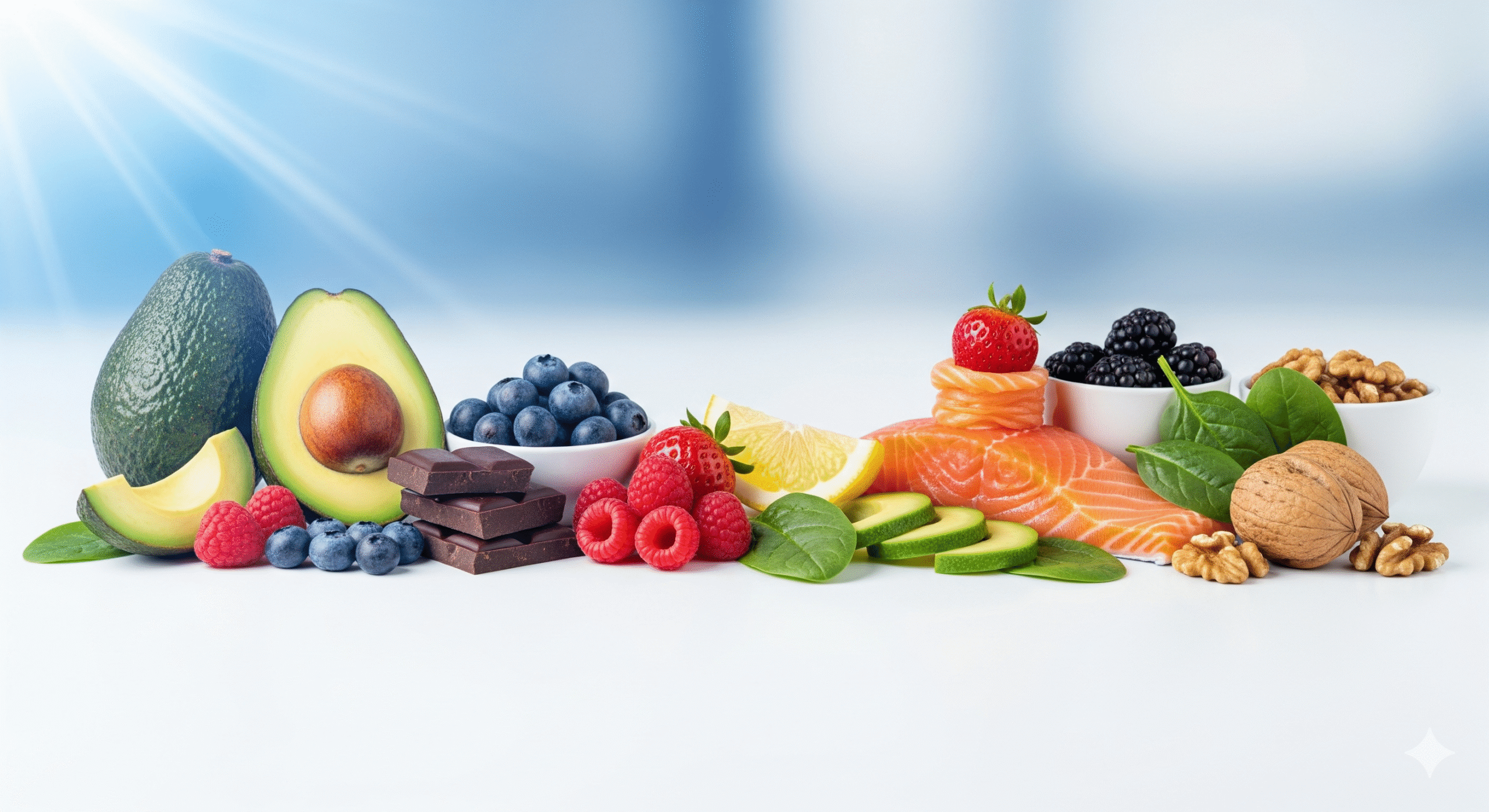
Evidence-based foods reduce cortisol levels within hours – comprehensive guide with clinical research and expert recommendations.
15 Proven Foods to Reduce Cortisol Fast + #1 Supplement
Focus Keyword: foods reduce cortisol levels
Why foods reduce cortisol levels matter for everyday stress
Daily routines are powerful. The right breakfast and lunch can stabilize energy, reduce irritability, and make the evening wind‑down easier. Practical, budget‑friendly foods reduce cortisol levels remove friction from your week: they’re easy to prep, delicious, and flexible—so you’ll actually stick with the plan long enough to feel results.
How nutrition calms the HPA axis
Stress physiology pivots on the hypothalamic‑pituitary‑adrenal (HPA) axis. Magnesium, omega‑3s, L‑theanine, polyphenols, fiber, and steady carbohydrates all influence this network. The themes are simple: steady glucose, lower inflammatory noise, and a calmer nervous system. Build your plate with foods reduce cortisol levels and the science works in your favor.
The 15 best foods reduce cortisol levels
Dark Chocolate (70–85%)
Dark chocolate delivers cocoa flavanols that support healthy endothelial function and gentle serotonin signaling. When stress flares, two or three small squares can feel like a circuit breaker. The polyphenols act as antioxidants, while the modest dose of fat slows digestion and steadies blood sugar—a combination that keeps your brain from overreacting. To stay aligned with your goals, savor it after lunch, not late at night, and combine with berries or a handful of walnuts. That pairing cushions the glycemic load and magnifies the calming effect. Among foods reduce cortisol levels you can use daily, dark chocolate is both practical and genuinely enjoyable.
Fatty Fish (Salmon, Mackerel, Sardines)
Marine omega‑3s (EPA and DHA) are repeatedly associated with a healthier stress response. They serve as structural fats in neuronal membranes, influence eicosanoid balance, and help dial down chronic, low‑grade inflammation. A 4–6 oz serving two to four times weekly supports mood and sleep quality—two levers that indirectly reduce the urge to overeat during stressful days. If you don’t enjoy fish, consider high‑quality tinned options in olive oil. In sample menus for people searching for foods reduce cortisol levels, salmon often anchors the dinner plate because it’s flexible and filling.
Bananas
Bananas provide potassium, vitamin B6, and a modest amount of tryptophan—the raw material your body uses to make serotonin and melatonin. This combination supports calm energy during the day and smoother wind‑down in the evening. Slice one over oats or Greek yogurt for a balanced snack. Athletes under heavy training loads lean on bananas because they digest easily and stabilize performance when nerves run high. In the context of foods reduce cortisol levels, bananas are a budget‑friendly staple.
Berries (Blueberries, Strawberries, Blackberries)
The vivid colors of berries reflect anthocyanins, catechins, and other phenolics that buffer oxidative stress. Less oxidative stress means a less excitable HPA axis—the neuroendocrine pathway that drives cortisol. A cup with breakfast or as an afternoon snack pairs perfectly with protein and fiber. For variety, rotate blueberries, strawberries, and blackberries across the week. If fresh berries are pricey, lean on frozen bags—nutrition remains strong, and the chill adds a satisfying texture on hot days.
Green Tea
Green tea supplies L‑theanine, a gentle amino acid associated with a calm‑alert state. It works beautifully when you want focus without jitters. Brew 2–3 cups through the morning and early afternoon; if you’re caffeine‑sensitive, switch to decaf after lunch. L‑theanine can make busy work feel less overwhelming, which indirectly supports healthier food choices and steadier evenings.
Leafy Greens (Spinach, Swiss Chard)
Leafy greens are rich in magnesium, folate, and vitamin K—nutrients that support neuromuscular relaxation and metabolic balance. Magnesium is especially relevant to stress because marginal deficiency is common. Add a handful of spinach to eggs, blend chard into soups, or sauté mixed greens with garlic and olive oil. Over time, a simple rule—‘leafy greens twice daily’—pays dividends in calmer nights and better training recovery.
Avocado
Avocado’s monounsaturated fats, potassium, and fiber help regulate post‑meal blood pressure and support steady energy. Half an avocado alongside eggs or salmon keeps you satisfied and reduces the urge for stress snacking. The creamy texture pairs well with crunchy elements like pumpkin seeds, which add magnesium and zinc. Small habit, big stability.
Turmeric (with Black Pepper)
Curcumin, the principal polyphenol in turmeric, interacts with inflammatory pathways linked to stress reactivity. Combining turmeric with black pepper (piperine) increases bioavailability. Stir into lentils, whisk into dressings, or simmer a golden milk with cinnamon in the evening. People exploring foods reduce cortisol levels often notice they sleep more soundly when evening caffeine is replaced with a warm, savory turmeric drink.
Garlic
Garlic contributes sulfur compounds that support cardiometabolic health and may influence stress‑modulated pathways. Roast whole heads to mellow the flavor and mash into soups or spread on whole‑grain toast. In Mediterranean‑style eating patterns—consistently linked to better mood—garlic appears again and again in everyday cooking.
Fermented Foods (Yogurt, Kefir, Kimchi, Sauerkraut)
Your gut talks to your brain through immune, neural, and endocrine signals. Fermented foods add live cultures that nudge this ‘gut‑brain axis’ toward calm. Greek yogurt with berries, kefir smoothies, or a spoon of kimchi beside a rice bowl can become daily anchors. If you’re dairy‑free, seek coconut‑milk yogurts with added cultures and watch added sugars to keep glycemic swings in check.
Oats and Other Whole Grains
Oats are rich in beta‑glucans—viscous fibers that slow glucose absorption and stabilize energy. A steady glucose curve means fewer ‘alarm bells’ for your adrenal glands. Overnight oats with chia, cinnamon, and blueberries is an easy template you can batch on Sunday nights for the workweek.
Citrus (Oranges, Grapefruit)
Citrus fruit provides vitamin C, flavanones, and hydration—three elements that support resilience when workloads climb. A simple orange with a handful of almonds carries well in a bag, curbing vending‑machine detours during hectic afternoons.
Walnuts
Walnuts bring plant omega‑3 (ALA), polyphenols, and satisfying crunch. They pair with oats in the morning or salads at lunch. One to two small handfuls per day is realistic for most adults. If you’re building snack kits, mix walnuts with dried cherries and a few dark‑chocolate chunks for a calming, travel‑ready option.
Lentils and Beans
Legumes offer protein, iron, and a unique fiber mix that feeds a healthy microbiome. A lentil stew with turmeric, garlic, and spinach is comfort food that also serves your stress physiology. Batch cook and portion into containers for easy dinners.
Eggs
Eggs provide high‑quality protein and choline, supporting neurotransmitter synthesis. Scramble with spinach in the morning, top with avocado, and you’ve created a plate that is both delicious and aligned with your plan.
7‑Day anti‑stress meal plan
Use this as a template, not a straitjacket. Swap fish types, rotate fruit, and lean on leftovers. The goal is consistency: repeating satisfying plates so your brain has fewer stressful decisions to make.
| Day | Plan |
|---|---|
| Day 1 | Breakfast: Overnight oats with chia, blueberries, and walnuts. Lunch: Spinach and salmon salad with avocado and lemon‑olive‑oil dressing. Snack: Yogurt with sliced banana and dark chocolate shavings. Dinner: Lentil‑turmeric stew with garlic‑sautéed greens. |
| Day 2 | Breakfast: Eggs with spinach and tomatoes; orange on the side. Lunch: Sardines on whole‑grain toast with arugula and kimchi. Snack: Green tea and a small handful of walnuts. Dinner: Baked salmon, quinoa, roasted broccoli; kefir for dessert. |
| Day 3 | Breakfast: Greek yogurt parfait with berries, oats, and cinnamon. Lunch: Garlic‑lemon chicken with wild rice and salad. Snack: Banana and dark chocolate. Dinner: Bean chili with avocado and a citrus salad. |
| Day 4 | Breakfast: Turmeric‑ginger golden milk and an egg‑spinach wrap. Lunch: Mackerel salad bowl with mixed greens, olives, and lentils. Snack: Kefir smoothie with berries. Dinner: Stir‑fry with tofu, garlic, and vegetables over brown rice. |
| Day 5 | Breakfast: Oatmeal topped with walnuts and oranges. Lunch: Quinoa bowl with roasted veggies, chickpeas, and tahini. Snack: Green tea and a banana. Dinner: Sardine pasta with garlic, parsley, and lemon; yogurt after. |
| Day 6 | Breakfast: Avocado toast with eggs and chili flakes. Lunch: Lentil soup with spinach and a side salad. Snack: Greek yogurt with dark chocolate; sip green tea. Dinner: Baked trout, potatoes, and steamed greens. |
| Day 7 | Breakfast: Berry‑oat smoothie bowl with chia. Lunch: Salmon tacos with cabbage, yogurt‑lime sauce, and avocado. Snack: Walnuts and citrus segments. Dinner: Bean‑vegetable stew with turmeric; golden milk at night. |
Practical implementation guide
- Start with two anchor meals you enjoy and repeat them during the week. Consistency calms decision fatigue.
- Batch‑cook proteins (salmon, lentils, beans) and pre‑wash greens on Sunday for quick assembly.
- Create stress‑smart snack kits: walnuts + dark chocolate; yogurt + berries; banana + green tea.
- Hydrate steadily—mild dehydration nudges cortisol upward in some people.
- Respect caffeine timing: keep coffee before noon, switch to green tea or herbal options after lunch.
- Build an evening wind‑down: dim lights, gentle stretching, warm turmeric milk, and no screens 60 minutes before bed.
Food + supplement synergy
Food first, then targeted support. CortiSync is positioned as the accelerator for people who want a structured, predictable approach: consistent meals based on foods reduce cortisol levels plus a clinically studied adaptogenic blend. Below are complementary options that address adjacent needs—metabolic support, hormone balance, and training recovery—so your plan feels complete and sustainable.
CortiSync
Clinically studied adaptogenic formula crafted to support healthy cortisol response.




Internal resources to go deeper
These guides expand on the fundamentals—adaptogens, sleep, inflammation, and practical routines. They’re part of the same system and help you tailor foods reduce cortisol levels to your schedule.
- Supplements to Reduce Cortisol
- Chronic Stress Affects Cortisol
- Lower Cortisol Naturally
- Supplements to Reduce Cortisol and Inflammation
- Best Supplements for Chronic Fatigue and Stress
- Supplements to Reduce Stress and Improve Mental Clarity
- Cortisol Reduction Supplements for Sleep
- Supplements to Lower Cortisol and Lose Weight
Success stories: five ways readers built calmer weeks
Ava, 33 — ‘Calm Mornings’
Ava’s job in emergency services meant adrenaline bursts at odd hours. She started with simple breakfasts—oats, berries, and walnuts—and added an evening turmeric drink. Two weeks later, she noticed steadier mornings and fewer late‑night cravings. When she layered in CortiSync, sleep deepened, and her training runs felt easier.
Diego, 41 — ‘Focused at Work’
Diego used to ride the coffee roller coaster. He swapped his second and third cups for green tea and built a lunch he loved: salmon, spinach, avocado, citrus. The plate took pressure off his afternoons. With CortiSync, he described a ‘calm focus’ that made hard tasks feel doable again.
Mara, 29 — ‘Even Energy’
Mara dealt with brain fog after long study nights. A yogurt‑banana‑dark‑chocolate snack replaced vending‑machine runs, and she batched lentil stews on Sundays. The structure eased mental clutter. She later added CalmLean during a busy exam period and felt less drawn to stress snacking.
Samir, 45 — ‘Training Recovery’
Samir lifts three times a week. Late‑night emails had wrecked his sleep. He moved screens out of the bedroom, prepped high‑protein dinners, and began a nightly wind‑down. CortiSync plus a fish‑forward meal plan restored recovery—soreness dropped, and morning sessions returned to form.
Lena, 38 — ‘Gentle Discipline’
Lena needed a plan she could stick to while parenting two young kids. She chose three breakfasts and two dinners to rotate, kept walnut snack packs in her bag, and carried citrus for quick wins. Over a month, ‘I finally felt like myself again,’ she wrote.
FAQs
Do I need all fifteen foods every day?
No. Pick two or three favorites for breakfast and lunch, then rotate others across the week. Consistency, not perfection, is what helps foods reduce cortisol levels fit into your routine.
How fast can I feel a difference?
Some people notice calmer afternoons within days of stabilizing breakfast and lunch. Sleep and recovery often improve over two to four weeks as habits compound.
Can I have coffee?
Yes, but keep it earlier in the day. A simple rule—coffee before noon, green tea after—protects evening wind‑down and sleep.
Are snacks okay, or should I stick to three meals?
Either can work. If you snack, pair protein and fiber (yogurt + berries; walnuts + citrus) to steer clear of sugar crashes.
What about alcohol?
If you drink, set a boundary—no alcohol on work nights, or a two‑drink weekly cap. Many readers report better sleep after a two‑week break.
Is CortiSync necessary if I eat well?
Not necessary, but many readers find it helpful as an accelerator when workloads spike. Food first; targeted support second.
Are these foods suitable for vegetarians?
Absolutely. Keep the fish if you eat it; otherwise emphasize legumes, fermented foods, whole grains, nuts, seeds, and leafy greens.
What if my evening cravings are intense?
Front‑load protein and fiber earlier in the day, set a screen curfew, and use a warm turmeric drink. If needed, keep a banana‑yogurt bowl as a planned option.
Safety, interactions, and when to seek medical advice
This guide is educational and doesn’t replace care from your clinician. If you’re pregnant, nursing, using prescription medications, or managing endocrine or psychiatric conditions, consult your healthcare professional before changing diet or supplements. Stop any product if you notice unusual symptoms.
Deep‑dive: nutrient mechanisms behind a calmer stress response
Magnesium acts as a natural brake on excitatory neurotransmission by modulating NMDA receptors and supporting GABAergic tone. When intake is marginal, ordinary stressors can feel amplified. Leafy greens, nuts, seeds, and legumes cover the gap without supplements. In parallel, omega‑3 fatty acids tilt the eicosanoid balance away from pro‑inflammatory signaling, which lowers background ‘noise’ in which the HPA axis must operate. Polyphenols from cocoa, berries, and tea reduce oxidative stress and preserve nitric‑oxide signaling, improving endothelial function and sleep quality—both relevant to a stable cortisol curve.
L‑theanine in green tea is unusual because it supports calm while keeping mental sharpness. Many readers describe it as the difference between frazzled focus and fluid concentration. Beta‑glucans in oats create a viscous gel that slows carbohydrate absorption, flattening post‑meal glucose excursions and reducing downstream cortisol counter‑regulation. When you intentionally assemble a plate around these elements, you’re not gaming the system—you’re feeding it what it was designed to use.
From theory to plate: applying each food day‑to‑day
Dark Chocolate (70–85%) — practical applications
Shopping: choose fresh, frozen, or convenient tinned formats that lower friction. Preparation: keep methods basic (roast, sauté, steam, batch‑cook) and season with citrus, herbs, and olive oil. Pairings: combine protein, fiber, and healthy fats so meals are satisfying without heaviness.
Behavioral cues: set a repeating grocery reminder; pre‑portion snacks; and pack tomorrow’s lunch while cleaning up dinner. Small cues defeat ‘decision fatigue’—a lesser‑known driver of late‑night snacking and disrupted sleep. This is where foods reduce cortisol levels become more than a list—they’re habits.
Fatty Fish (Salmon, Mackerel, Sardines) — practical applications
Shopping: choose fresh, frozen, or convenient tinned formats that lower friction. Preparation: keep methods basic (roast, sauté, steam, batch‑cook) and season with citrus, herbs, and olive oil. Pairings: combine protein, fiber, and healthy fats so meals are satisfying without heaviness.
Behavioral cues: set a repeating grocery reminder; pre‑portion snacks; and pack tomorrow’s lunch while cleaning up dinner. Small cues defeat ‘decision fatigue’—a lesser‑known driver of late‑night snacking and disrupted sleep. This is where foods reduce cortisol levels become more than a list—they’re habits.
Bananas — practical applications
Shopping: choose fresh, frozen, or convenient tinned formats that lower friction. Preparation: keep methods basic (roast, sauté, steam, batch‑cook) and season with citrus, herbs, and olive oil. Pairings: combine protein, fiber, and healthy fats so meals are satisfying without heaviness.
Behavioral cues: set a repeating grocery reminder; pre‑portion snacks; and pack tomorrow’s lunch while cleaning up dinner. Small cues defeat ‘decision fatigue’—a lesser‑known driver of late‑night snacking and disrupted sleep. This is where foods reduce cortisol levels become more than a list—they’re habits.
Berries (Blueberries, Strawberries, Blackberries) — practical applications
Shopping: choose fresh, frozen, or convenient tinned formats that lower friction. Preparation: keep methods basic (roast, sauté, steam, batch‑cook) and season with citrus, herbs, and olive oil. Pairings: combine protein, fiber, and healthy fats so meals are satisfying without heaviness.
Behavioral cues: set a repeating grocery reminder; pre‑portion snacks; and pack tomorrow’s lunch while cleaning up dinner. Small cues defeat ‘decision fatigue’—a lesser‑known driver of late‑night snacking and disrupted sleep. This is where foods reduce cortisol levels become more than a list—they’re habits.
Green Tea — practical applications
Shopping: choose fresh, frozen, or convenient tinned formats that lower friction. Preparation: keep methods basic (roast, sauté, steam, batch‑cook) and season with citrus, herbs, and olive oil. Pairings: combine protein, fiber, and healthy fats so meals are satisfying without heaviness.
Behavioral cues: set a repeating grocery reminder; pre‑portion snacks; and pack tomorrow’s lunch while cleaning up dinner. Small cues defeat ‘decision fatigue’—a lesser‑known driver of late‑night snacking and disrupted sleep. This is where foods reduce cortisol levels become more than a list—they’re habits.
Leafy Greens (Spinach, Swiss Chard) — practical applications
Shopping: choose fresh, frozen, or convenient tinned formats that lower friction. Preparation: keep methods basic (roast, sauté, steam, batch‑cook) and season with citrus, herbs, and olive oil. Pairings: combine protein, fiber, and healthy fats so meals are satisfying without heaviness.
Behavioral cues: set a repeating grocery reminder; pre‑portion snacks; and pack tomorrow’s lunch while cleaning up dinner. Small cues defeat ‘decision fatigue’—a lesser‑known driver of late‑night snacking and disrupted sleep. This is where foods reduce cortisol levels become more than a list—they’re habits.
Avocado — practical applications
Shopping: choose fresh, frozen, or convenient tinned formats that lower friction. Preparation: keep methods basic (roast, sauté, steam, batch‑cook) and season with citrus, herbs, and olive oil. Pairings: combine protein, fiber, and healthy fats so meals are satisfying without heaviness.
Behavioral cues: set a repeating grocery reminder; pre‑portion snacks; and pack tomorrow’s lunch while cleaning up dinner. Small cues defeat ‘decision fatigue’—a lesser‑known driver of late‑night snacking and disrupted sleep. This is where foods reduce cortisol levels become more than a list—they’re habits.
Turmeric (with Black Pepper) — practical applications
Shopping: choose fresh, frozen, or convenient tinned formats that lower friction. Preparation: keep methods basic (roast, sauté, steam, batch‑cook) and season with citrus, herbs, and olive oil. Pairings: combine protein, fiber, and healthy fats so meals are satisfying without heaviness.
Behavioral cues: set a repeating grocery reminder; pre‑portion snacks; and pack tomorrow’s lunch while cleaning up dinner. Small cues defeat ‘decision fatigue’—a lesser‑known driver of late‑night snacking and disrupted sleep. This is where foods reduce cortisol levels become more than a list—they’re habits.
Garlic — practical applications
Shopping: choose fresh, frozen, or convenient tinned formats that lower friction. Preparation: keep methods basic (roast, sauté, steam, batch‑cook) and season with citrus, herbs, and olive oil. Pairings: combine protein, fiber, and healthy fats so meals are satisfying without heaviness.
Behavioral cues: set a repeating grocery reminder; pre‑portion snacks; and pack tomorrow’s lunch while cleaning up dinner. Small cues defeat ‘decision fatigue’—a lesser‑known driver of late‑night snacking and disrupted sleep. This is where foods reduce cortisol levels become more than a list—they’re habits.
Fermented Foods (Yogurt, Kefir, Kimchi, Sauerkraut) — practical applications
Shopping: choose fresh, frozen, or convenient tinned formats that lower friction. Preparation: keep methods basic (roast, sauté, steam, batch‑cook) and season with citrus, herbs, and olive oil. Pairings: combine protein, fiber, and healthy fats so meals are satisfying without heaviness.
Behavioral cues: set a repeating grocery reminder; pre‑portion snacks; and pack tomorrow’s lunch while cleaning up dinner. Small cues defeat ‘decision fatigue’—a lesser‑known driver of late‑night snacking and disrupted sleep. This is where foods reduce cortisol levels become more than a list—they’re habits.
Oats and Other Whole Grains — practical applications
Shopping: choose fresh, frozen, or convenient tinned formats that lower friction. Preparation: keep methods basic (roast, sauté, steam, batch‑cook) and season with citrus, herbs, and olive oil. Pairings: combine protein, fiber, and healthy fats so meals are satisfying without heaviness.
Behavioral cues: set a repeating grocery reminder; pre‑portion snacks; and pack tomorrow’s lunch while cleaning up dinner. Small cues defeat ‘decision fatigue’—a lesser‑known driver of late‑night snacking and disrupted sleep. This is where foods reduce cortisol levels become more than a list—they’re habits.
Citrus (Oranges, Grapefruit) — practical applications
Shopping: choose fresh, frozen, or convenient tinned formats that lower friction. Preparation: keep methods basic (roast, sauté, steam, batch‑cook) and season with citrus, herbs, and olive oil. Pairings: combine protein, fiber, and healthy fats so meals are satisfying without heaviness.
Behavioral cues: set a repeating grocery reminder; pre‑portion snacks; and pack tomorrow’s lunch while cleaning up dinner. Small cues defeat ‘decision fatigue’—a lesser‑known driver of late‑night snacking and disrupted sleep. This is where foods reduce cortisol levels become more than a list—they’re habits.
Walnuts — practical applications
Shopping: choose fresh, frozen, or convenient tinned formats that lower friction. Preparation: keep methods basic (roast, sauté, steam, batch‑cook) and season with citrus, herbs, and olive oil. Pairings: combine protein, fiber, and healthy fats so meals are satisfying without heaviness.
Behavioral cues: set a repeating grocery reminder; pre‑portion snacks; and pack tomorrow’s lunch while cleaning up dinner. Small cues defeat ‘decision fatigue’—a lesser‑known driver of late‑night snacking and disrupted sleep. This is where foods reduce cortisol levels become more than a list—they’re habits.
Lentils and Beans — practical applications
Shopping: choose fresh, frozen, or convenient tinned formats that lower friction. Preparation: keep methods basic (roast, sauté, steam, batch‑cook) and season with citrus, herbs, and olive oil. Pairings: combine protein, fiber, and healthy fats so meals are satisfying without heaviness.
Behavioral cues: set a repeating grocery reminder; pre‑portion snacks; and pack tomorrow’s lunch while cleaning up dinner. Small cues defeat ‘decision fatigue’—a lesser‑known driver of late‑night snacking and disrupted sleep. This is where foods reduce cortisol levels become more than a list—they’re habits.
Eggs — practical applications
Shopping: choose fresh, frozen, or convenient tinned formats that lower friction. Preparation: keep methods basic (roast, sauté, steam, batch‑cook) and season with citrus, herbs, and olive oil. Pairings: combine protein, fiber, and healthy fats so meals are satisfying without heaviness.
Behavioral cues: set a repeating grocery reminder; pre‑portion snacks; and pack tomorrow’s lunch while cleaning up dinner. Small cues defeat ‘decision fatigue’—a lesser‑known driver of late‑night snacking and disrupted sleep. This is where foods reduce cortisol levels become more than a list—they’re habits.
Smart grocery list and Sunday batch‑prep
Base list: spinach or mixed greens; frozen berry mix; bananas; avocados; citrus; oats; Greek yogurt or a dairy‑free alternative with live cultures; walnuts; lentils and beans; canned salmon or sardines; eggs; garlic; turmeric; olive oil; green tea; whole‑grain bread or rice. Optional: pumpkin seeds, chia, kefir, kimchi, herbs, lemons.
Batch once, benefit all week: cook a pot of lentils; roast a tray of mixed vegetables; bake 2–3 portions of salmon; boil six eggs; prep two dressings (lemon‑olive oil; yogurt‑tahini). Portion into visible containers. When healthy food is obvious and ready, your brain chooses it without a battle.
Cortisol day planner: morning → evening
Morning: hydrate, light exposure, and a protein‑fiber breakfast (oats + yogurt + berries + walnuts, or eggs + spinach + avocado). Limit doom‑scrolling—your nervous system is impressionable here. Midday: green tea for focus; build a plate with salmon, greens, lentils, avocado, and citrus. Afternoon: movement break; snack on yogurt and banana if needed. Evening: screens down; warm turmeric milk; a short stretch; consistent bedtime.
Training days: refuel with protein and complex carbs within 60 minutes of exercise. Rest days: keep meals similar but emphasize leafy greens and hydration. If evenings are hectic, pre‑portion a calm snack so you don’t improvise at 10 p.m.
Tailoring the plan to your life (4 personas)
Shift worker: protect circadian anchors—consistent meal timing, hydration, and bright‑light exposure during your active window. Batch portable meals (lentil bowls; yogurt + berries; walnuts + citrus) so vending machines aren’t your default.
Student: stack the deck with study‑friendly foods reduce cortisol levels. Keep green tea, oats, walnuts, bananas, and yogurt within reach. Late‑night studying? Pre‑commit to a warm turmeric drink instead of an extra coffee after 6 p.m.
Busy parent: rotate two breakfasts and two dinners that everybody enjoys. Use sheet‑pan salmon with vegetables, and lean on frozen berries for fast smoothies.
Athlete: anchor omega‑3s and complex carbs around training; use yogurt + fruit pre‑session if needed; build recovery dinners with fish, greens, and whole grains. Respect sleep as the ultimate recovery tool.
Common pitfalls and how to fix them
Skipping protein at breakfast creates mid‑morning crashes; fix it with eggs + greens or Greek yogurt + oats. Huge dinners push sleep later; shift calories earlier. Endless coffee raises arousal; cap coffee at noon and lean on green tea. Mindless snacking? Pre‑portion walnuts, fruit, and yogurt so choices are fast and friction‑free.
Travel days: pack shelf‑stable options (tinned salmon, oats packets, nuts, citrus) and look for fermented items on the road. Family events: eat your anchor meal beforehand; at the event, build a plate with protein, greens, and fruit, then enjoy a small treat.
Troubleshooting by symptom
Evening cravings: increase breakfast protein; add a fiber‑rich lunch; set a screen curfew; plan a deliberate, satisfying evening snack.
Waking at 3 a.m.: limit late caffeine; add magnesium‑rich greens; consider a warm turmeric drink after dinner; keep the bedroom cool and dark.
Brain fog: hydrate; swap an extra coffee for green tea; eat salmon or sardines at lunch twice weekly; move your body at breaks.
Stress snacking at work: pack two snack kits; schedule a 5‑minute walk; use citrus segments for a sweet finish.
More questions people ask
What’s the simplest way to start if I feel overwhelmed?
Pick one breakfast and one lunch that match the formula—protein + fiber + healthy fats—and repeat them for seven days. For breakfast, oats with yogurt, berries, and walnuts; for lunch, salmon with spinach, lentils, avocado, and citrus. Add green tea mid‑morning. This tiny menu removes dozens of decisions, sets a stable glucose curve, and gives you a quick win. Once it feels automatic, rotate in bananas, garlic‑roasted vegetables, or a lentil soup for variety.
Can I do this as a vegetarian or vegan?
Yes. Keep the framework and emphasize legumes, fermented foods, whole grains, nuts, seeds, leafy greens, citrus, berries, and avocado. If you don’t consume fish, increase walnuts and ground flax, and consider algae‑based omega‑3s after discussing with your clinician. Fermented foods—yogurt, kefir, sauerkraut, or dairy‑free alternatives—remain key to a calm gut‑brain axis.
What if I travel a lot for work?
Travel magnifies decision fatigue. Carry shelf‑stable options (oats packets, nuts, citrus, tinned fish) and scan menus for salmon or bean‑based dishes with greens. Ask for yogurt and berries at hotel breakfasts, and keep green tea bags on hand. A short walk outdoors after check‑in helps reset your nervous system.
How do supplements fit without taking over?
Keep the hierarchy: food → sleep → movement → targeted support. CortiSync can serve as an accelerator during demanding seasons, while products like CalmLean, DIM3X, TestRX, Testodren, and Testosil support adjacent goals (metabolism, hormone balance, training recovery). Introduce one change at a time so you can observe the effect.
What’s a realistic timeline for results?
Expect small wins in the first week (steadier afternoons), clearer sleep improvements by weeks two to four, and compounding benefits across eight to twelve weeks as the routine settles. The goal isn’t perfection; it’s a lifestyle you enjoy enough to keep.
How do I handle social events without derailing progress?
Eat your anchor meal beforehand so you arrive satisfied. At the event, build a plate with protein, greens, and fruit first, then add a small treat. Sip water between drinks and set a two‑drink weekly cap if alcohol tends to disturb your sleep.
Is there a best time to drink green tea for calm focus?
Try one cup mid‑morning and, if desired, a second after lunch. L‑theanine supports a calm‑alert state. If caffeine affects your sleep, switch to decaf after noon or choose herbal tea in the evening.
Do I need fancy recipes?
No. The system works because the plates are simple and repeatable: bowl meals, sheet‑pan dinners, and five‑ingredient snacks. Simplicity is a feature, not a bug—you’ll stay consistent when cooking feels fast and predictable.
References & further reading
- NIH Office of Dietary Supplements — Magnesium, Omega‑3 Fact Sheets
- Harvard T.H. Chan School of Public Health — Nutrition Source (Fats, Whole Grains, Tea)
- Mayo Clinic — Stress management basics
- Cleveland Clinic — Sleep hygiene and stress
- Johns Hopkins Medicine — The gut‑brain connection
- National Library of Medicine (PubMed) — Polyphenols and stress physiology
- American Heart Association — Fish and omega‑3 recommendations
- Academy of Nutrition and Dietetics — Building balanced plates
- World Sleep Society — Healthy sleep guidelines
- American College of Sports Medicine — Nutrition around training
- CDC — Physical activity guidelines for adults
- Examine.com — Evidence summaries on theanine, curcumin, omega‑3
- British Dietetic Association — Fiber and glycemic control
- European Food Information Council — Fermented foods overview
- National Institute of Mental Health — Stress basics
About the Author