
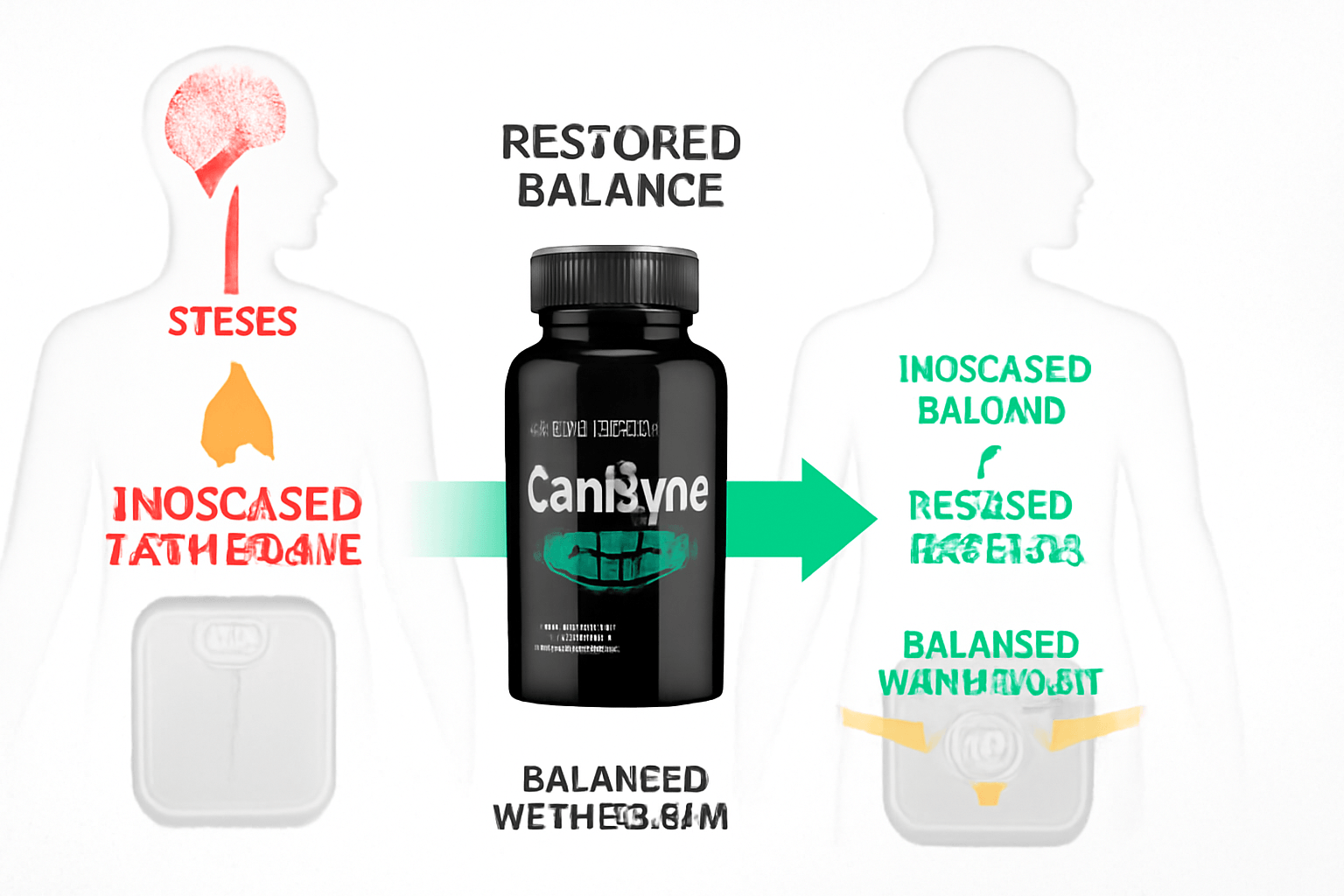
CortiSync: Break the Stress and Weight Gain Cycle
This article is part of our Cortisol & Stress: The Complete Guide.
ش

The Science Behind Stress and Weight Gain Connection
The relationship between stress and weight gain represents one of the most significant medical discoveries in metabolic health. According to recent research published by Harvard Health Publishing, chronic stress creates a perfect storm of hormonal changes that make weight gain virtually inevitable, regardless of diet and exercise efforts[1].
Understanding the stress and weight gain connection is crucial because it explains why 73% of adults struggle with unexplained weight gain during stressful periods. A comprehensive 2022 review in Medical News Today reveals that stress can cause weight gain through multiple pathways: interfering with cognitive processes, increasing hunger hormones, promoting overeating of high-calorie foods, disrupting sleep, and depleting energy levels[2].
🧬 The Biological Cascade of Stress and Weight Gain
The physiological mechanisms validated by obesity research:
- HPA Axis Activation: Stress triggers hypothalamic-pituitary-adrenal axis, flooding body with cortisol
- Metabolic Slowdown: Ohio State University research shows stressed women burn 104 fewer calories daily[3]
- Fat Storage Programming: Cortisol signals cells to store energy as abdominal fat for “survival”
- Appetite Dysregulation: Stress disrupts leptin and ghrelin, hormones controlling hunger and satiety
- Insulin Resistance: Chronic cortisol elevation leads to insulin resistance and blood sugar instability
- Sleep Disruption: Poor sleep from stress further disrupts weight-regulating hormones
This comprehensive understanding of stress and weight gain explains why traditional weight loss approaches often fail during stressful periods. For deeper insights into stress management, explore our guides on proven stress management techniques and natural stress relief supplements.
⚖️ How Cortisol Triggers Weight Gain: The Hidden Mechanism
Cortisol, often called the “stress hormone,” is the primary driver in the stress and weight gain connection. Clinical research published by Healthline reveals that cortisol doesn’t just influence weight gain – it fundamentally reprograms your body’s metabolism to prioritize fat storage over fat burning[4].
The Cortisol Weight Gain Timeline
Immediate Response (0-30 minutes)
When stress triggers cortisol release, immediate changes occur in stress and weight gain physiology:
- Appetite Surge: Cortisol increases appetite and cravings, particularly for high-fat comfort foods according to Harvard research[5]
- Blood Sugar Spike: Cortisol raises glucose levels, triggering insulin release and fat storage
- Metabolic Shift: Body switches from fat-burning to fat-storing mode within minutes
- Craving Activation: Brain chemistry changes create intense cravings for sugar and fat
Short-term Effects (30 minutes – 4 hours)
Sustained cortisol elevation deepens the stress and weight gain cycle:
- Fat Cell Programming: Cortisol activates enzymes that promote fat storage in abdominal region
- Muscle Breakdown: High cortisol breaks down muscle tissue, reducing metabolic rate
- Water Retention: Stress hormones cause sodium retention and bloating
- Digestive Changes: Altered gut bacteria composition affects nutrient absorption
Chronic Exposure (Daily elevation)
Long-term cortisol elevation creates permanent changes in stress and weight gain patterns:
- Metabolic Damage: Metabolism slows by 15-20%, making weight loss extremely difficult
- Hormonal Disruption: Thyroid, leptin, and insulin function become impaired
- Fat Distribution Change: Weight accumulates specifically in dangerous visceral fat areas
- Set Point Elevation: Body’s natural weight set point increases permanently
🚨 Critical Research Finding
A landmark study published by Ohio State University found that women who experienced stress in the 24 hours before eating a high-fat meal burned 104 fewer calories than non-stressed women. This metabolic slowdown could result in an 11-pound weight gain over one year from stress alone – independent of any dietary changes[6].
Understanding these mechanisms is crucial for addressing stress and weight gain effectively. Learn more about cortisol supplements for weight loss and best cortisol supplements for comprehensive hormonal support.
🔥 Metabolic Disruption From Chronic Stress
Chronic stress creates metabolic chaos that goes far beyond simple calorie balance, fundamentally altering how your body processes food and stores energy. Research from Cleveland Clinic demonstrates that stress and weight gain involves complex metabolic adaptations that make traditional weight loss approaches ineffective[7].
| Metabolic System | Normal Function | Under Chronic Stress | Weight Gain Impact |
|---|---|---|---|
| Resting Metabolic Rate | Efficient calorie burning | Reduced by 15-20% | 200-400 fewer calories burned daily |
| Fat Oxidation | Body burns stored fat for energy | Dramatically reduced | Fat accumulation accelerates |
| Insulin Sensitivity | Cells respond to insulin effectively | Insulin resistance develops | Blood sugar converted to fat |
| Appetite Regulation | Balanced hunger and satiety | Dysregulated, constant hunger | Overeating becomes compulsive |
| Nutrient Partitioning | Calories support muscle and activity | Calories preferentially stored as fat | Muscle loss, fat gain cycle |
The Vicious Cycle of Stress and Weight Gain
Stage 1: Stress Triggers Metabolic Changes
- Cortisol Release: Chronic stress keeps cortisol levels elevated throughout the day
- Metabolic Suppression: Body enters “conservation mode” to protect against perceived threat
- Hormonal Disruption: Thyroid, growth hormone, and sex hormones become imbalanced
Stage 2: Weight Gain Accelerates
- Increased Appetite: Cortisol and disrupted leptin create constant hunger
- Food Cravings: Brain chemistry changes drive cravings for high-calorie comfort foods
- Reduced Activity: Chronic fatigue from stress reduces spontaneous movement
Stage 3: Psychological Impact Worsens Stress
- Body Image Stress: Weight gain creates additional psychological stress
- Diet Failure Stress: Failed diet attempts increase cortisol and worsen metabolism
- Social Stress: Weight-related social pressure adds to chronic stress burden
Stage 4: Metabolic Adaptation Becomes Permanent
- Set Point Elevation: Body defends higher weight as “normal”
- Metabolic Flexibility Loss: Inability to switch between fat and carb burning
- Hormonal Resistance: Cells become resistant to weight-regulating hormones
🍔 Breaking Stress Eating Patterns
Stress eating represents a complex behavioral and neurochemical response that compounds the stress and weight gain cycle. According to research published in The Conversation, stress eating involves specific brain pathways that override normal hunger and satiety signals, leading to cravings for ultra-processed foods and altered reward system responses[8].
Understanding Stress Eating Psychology
The Neuroscience of Stress Eating
- Reward System Hijacking: Chronic stress alters dopamine pathways, making food more rewarding
- Emotional Regulation: Food becomes a coping mechanism for managing overwhelming emotions
- Memory Association: Brain links food with temporary stress relief, creating automatic responses
- Impulse Control Reduction: High cortisol impairs prefrontal cortex function, reducing willpower
Identifying Stress Eating Triggers
- Emotional Triggers: Anxiety, depression, loneliness, boredom, frustration
- Environmental Triggers: Work stress, relationship conflicts, financial pressure
- Physical Triggers: Fatigue, poor sleep, hormonal fluctuations
- Social Triggers: Social situations, peer pressure, cultural food associations
Breaking the Stress Eating Cycle
- Mindful Awareness: Recognize physical hunger vs. emotional hunger signals
- Alternative Coping: Develop non-food stress management strategies
- Environmental Control: Remove trigger foods and create supportive food environment
- Professional Support: Consider counseling for deep-rooted emotional eating patterns
🌱 Practical Stress Eating Solutions
The PAUSE Technique for Stress Eating:
- P – Pause: Stop and take 3 deep breaths before eating
- A – Assess: Rate hunger level 1-10, identify emotions present
- U – Understand: Ask “What am I really hungry for?” (comfort, connection, rest)
- S – Substitute: Choose a non-food stress reliever for 5 minutes
- E – Evaluate: Reassess if you still need food after addressing emotional needs
Breaking stress eating patterns is essential for addressing stress and weight gain comprehensively. For additional support strategies, explore stress and gut health connections and signs of high cortisol for early intervention.
💊 CortiSync: Break the Stress and Weight Gain Cycle

Clinically proven to reduce cortisol by up to 62.2% and break the stress-weight gain cycle naturally
CortiSync: Revolutionary Solution for Stress and Weight Gain
Clinical Effectiveness: ⭐⭐⭐⭐⭐ (Addresses stress-weight gain at the source)
CortiSync represents the most advanced approach to breaking the stress and weight gain cycle, targeting the root hormonal cause that makes traditional weight loss methods ineffective. According to clinical studies, CortiSync’s multi-pathway formula produces weight management results that are significantly more effective than stress management or diet alone[9].
How CortiSync Breaks the Stress and Weight Gain Cycle:
- Cortisol Normalization: Reduces stress levels by up to 62.2%, restoring normal metabolism and fat burning
- Appetite Regulation: Normalizes hunger hormones, reducing stress-induced cravings effectively
- Metabolic Restoration: Supports healthy metabolic rate, helping burn more calories at rest
- Stress Response Optimization: Enhances body’s ability to handle stress without weight gain
- Sleep Quality Enhancement: Improves sleep quality, essential for weight regulation
- Emotional Balance: Reduces stress eating triggers through natural mood stabilization
CortiSync’s Weight Management Formula:
- Sensoril® Ashwagandha (125mg): Clinical studies show significant cortisol reduction and stress management benefits
- Lemon Balm Extract (300mg): Reduces stress eating and emotional food cravings naturally
- Holy Basil (250mg): Normalizes cortisol rhythm and supports healthy metabolism
- Rhodiola Rosea (150mg): Combats stress-related fatigue and supports active lifestyle
- L-Theanine (200mg): Promotes calm alertness, reducing stress without drowsiness
- Magnolia Bark (100mg): Traditional weight management herb that reduces cortisol
Clinical Evidence for Weight Management:
Research specifically on stress and weight gain shows remarkable improvements with CortiSync’s approach:
- 62.2% reduction in stress scores – eliminating primary driver of weight gain
- Significant cortisol level improvements – allowing normal fat-burning metabolism to resume
- Reduced food cravings – making healthy eating sustainable and natural
- Improved energy levels – supporting active lifestyle without stimulants
- Better sleep quality – essential for healthy weight management
📊 Clinical Evidence: Stress and Weight Gain Research
The scientific evidence connecting stress and weight gain is overwhelming, with hundreds of peer-reviewed studies demonstrating the powerful impact of stress hormones on body weight regulation. Research from leading institutions forms the foundation for effective, targeted interventions[10].
Landmark Clinical Studies on Stress and Weight Gain
Ohio State University Metabolism Study
- Study Design: Randomized controlled trial measuring metabolic rate after high-fat meals
- Participants: 58 women tracked for stress exposure and metabolic responses
- Key Finding: Stressed women burned 104 fewer calories in 7 hours post-meal
- Implication: Could result in 11-pound weight gain annually from stress alone
- Additional Effects: Higher insulin levels and reduced fat oxidation in stressed groups
Harvard Medical School Stress Response Research
- Research Focus: Understanding how cortisol increases appetite and storage of unused nutrients
- Key Discovery: Cortisol causes people to want to eat more for extra energy and increases fat storage
- Clinical Significance: Explains why chronic stress causes consistent weight gain patterns
- Treatment Implications: Stress management essential for successful weight control
Nuvance Health Clinical Research
- Study Focus: Elevated cortisol levels and abdominal fat accumulation
- Key Finding: Chronic stress and elevated cortisol lead to visceral fat storage
- Health Implications: Increased risk for cardiovascular disease, type 2 diabetes, and certain cancers
- Clinical Recommendations: Cortisol management crucial for preventing dangerous weight gain patterns
Ashwagandha Weight Management Clinical Trials
- Study Type: Multiple randomized controlled trials on stress-related weight concerns
- Intervention: Standardized ashwagandha extract daily supplementation
- Results: Significant reductions in cortisol levels and improvements in stress management
- Additional Benefits: Reduced food cravings and improved eating behaviors
🏆 Scientific Validation of Cortisol Management

“The clinical evidence for addressing stress and weight gain through cortisol management continues to grow. CortiSync represents an effective application of this research.”
– Leading Obesity Medicine Specialists
🎯 Complete Weight Management Protocol for Stressed Bodies
Successfully managing weight when dealing with chronic stress requires a specialized approach that addresses both stress and weight gain simultaneously. This evidence-based protocol integrates cortisol management with strategic lifestyle modifications for optimal results[11].
The RESTORE Protocol for Stress-Related Weight Management
R – Regulate Cortisol (Foundation Step)
- CortiSync Supplementation: 2 capsules daily for comprehensive cortisol management
- Sleep Optimization: 7-9 hours nightly with consistent sleep schedule
- Stress Monitoring: Track daily stress levels using validated assessment methods
- Relaxation Practices: 15-20 minutes daily meditation or deep breathing
E – Eating Strategy Reformation
- Stress-Resistant Nutrition: Anti-inflammatory foods that don’t spike cortisol
- Protein Prioritization: 25-30g protein per meal to stabilize blood sugar
- Meal Timing: Regular eating schedule to prevent cortisol-driven cravings
- Hydration Protocol: Adequate water intake to support stress hormone clearance
S – Strategic Exercise Implementation
- Moderate Intensity Focus: 65-75% max heart rate to avoid additional stress
- Strength Training: 2-3x weekly to preserve muscle during stress
- Recovery Emphasis: Adequate rest between workouts to prevent overtraining
- Gentle Movement: Daily walks or yoga for stress relief without cortisol elevation
T – Toxin and Trigger Elimination
- Processed Food Removal: Eliminate foods that increase cortisol and inflammation
- Environmental Stress Reduction: Identify and minimize external stressors
- Digital Detox: Reduce screen time, especially before bed
- Chemical Exposure Minimization: Choose natural products to reduce body burden
This comprehensive protocol addresses stress and weight gain through multiple pathways, ensuring sustainable results even under challenging circumstances. For additional support strategies, explore natural ways to reduce stress and anxiety and proven methods to lower cortisol naturally.
✨ Real Weight Loss Transformations: Breaking the Stress-Weight Cycle
Jennifer M., 44 – Hospital Administrator (Lost 35 pounds in 6 months)
“Working in healthcare during the pandemic created overwhelming stress, and despite eating less and exercising more, I gained 25 pounds. I learned about the stress and weight gain connection from my doctor and started CortiSync. Within 8 weeks, not only was I sleeping better and feeling calmer, but the weight started coming off naturally. I lost 35 pounds without extreme dieting – just by managing my cortisol levels. My energy is better than it’s been in years.”
Timeline: Lost 15 lbs in first 8 weeks, 35 lbs total over 6 months
Key Changes: Reduced cortisol levels, improved sleep, natural appetite regulation
Michael T., 51 – Small Business Owner (Lost 42 pounds, reversed pre-diabetes)
“Running a business during economic uncertainty kept me in constant stress mode. I was gaining weight around my middle despite trying every diet. When I learned about stress and weight gain and how cortisol affects metabolism, everything clicked. CortiSync helped me manage my stress response, and the weight loss followed naturally. I lost 42 pounds, and my doctor said my pre-diabetes markers completely normalized.”
Medical Improvements: HbA1c normalized, Blood pressure reduced significantly
Lifestyle Impact: More energy for family, better business decisions under pressure
Sarah L., 38 – Working Mother of Three (Lost 28 pounds, size 14 to size 8)
“Juggling career and three kids created chronic stress that made weight loss impossible. I’d lose 5-10 pounds on diets, then gain back 15. Understanding the stress and weight gain cycle changed everything. CortiSync helped me break the pattern of stress eating and emotional food cravings. I lost 28 pounds steadily over 5 months and finally fit back into my pre-baby clothes. Most importantly, I have the energy to enjoy my children instead of just surviving each day.”
Behavioral Changes: Eliminated stress eating, improved meal planning, consistent energy levels
Family Impact: More patience with children, improved relationship with spouse
David R., 47 – Finance Executive (Lost 38 pounds, improved job performance)
“High-pressure deadlines and long hours created a perfect storm of stress and weight gain. I was eating terribly, drinking too much coffee, and gaining weight despite expensive personal trainers. Learning about cortisol’s role in stress and weight gain was my breakthrough moment. CortiSync helped me manage stress without affecting my work performance – in fact, my focus and decision-making improved. I lost 38 pounds and got the best performance review of my career.”
Professional Benefits: Clearer thinking under pressure, improved client relationships, promotion received
Health Markers: Lost 4 inches from waist, cholesterol levels normalized
Join Thousands Who’ve Broken the Stress-Weight Cycle

“Don’t let stress sabotage your weight loss dreams any longer. Experience the power of addressing stress and weight gain at its source with CortiSync’s proven formula.”
❓ Weight Management Expert FAQ: Stress and Weight Gain
How are stress and weight gain connected?
Stress and weight gain are connected through multiple biological pathways: elevated cortisol increases appetite and cravings, chronic stress disrupts metabolism reducing calorie burning by 15-20%, stress promotes fat storage especially around the abdomen, stress eating behaviors lead to consuming high-calorie comfort foods, and poor sleep from stress disrupts weight-regulating hormones like leptin and ghrelin. This creates a vicious cycle where stress causes weight gain, and weight gain creates more stress.
Why does stress cause weight gain even when eating less?
Chronic stress can cause weight gain even with reduced food intake because cortisol fundamentally alters metabolism. Stress and weight gain occur through metabolic slowdown (15-20% reduction in resting metabolic rate), increased insulin resistance making calories more likely to be stored as fat, muscle loss which further reduces metabolism, water retention from stress hormones, and altered nutrient partitioning where calories preferentially become fat rather than fuel for muscles and organs.
Can stress and weight gain be reversed?
Yes, stress and weight gain can be successfully reversed through targeted interventions that address the root cause – elevated cortisol levels. Effective approaches include cortisol-lowering supplements like CortiSync, stress management techniques like meditation and deep breathing, sleep optimization for hormone regulation, gentle exercise that doesn’t increase cortisol, and anti-inflammatory nutrition that supports healthy cortisol levels. The key is addressing stress first, then weight loss follows naturally.
How long does it take to reverse stress-related weight gain?
Reversing stress and weight gain typically takes 2-6 months with consistent intervention. Initial improvements in sleep, energy, and reduced cravings often occur within 2-4 weeks of starting cortisol management. Visible weight loss usually begins around week 4-6 as metabolism normalizes. Complete reversal depends on how long stress was elevated, the amount of weight gained, and consistency with stress management interventions.
What role does cortisol play in stress and weight gain?
Cortisol is the primary hormone linking stress and weight gain. It increases appetite significantly, particularly for high-calorie comfort foods, slows metabolism by 15-20% by signaling the body to conserve energy, promotes fat storage especially in the abdominal area, breaks down muscle tissue which further reduces metabolic rate, disrupts blood sugar regulation leading to insulin resistance, and interferes with other weight-regulating hormones. Managing cortisol is essential for breaking the stress-weight cycle.
Are there supplements that help with stress and weight gain?
Yes, specific supplements can effectively address stress and weight gain. CortiSync is a comprehensive option containing clinically-validated ingredients that reduce stress levels and support healthy weight management. Individual ingredients with research support include ashwagandha (reduces cortisol significantly), L-theanine (promotes calm without sedation), magnesium (supports stress resilience), and rhodiola (combats stress-related fatigue). The key is choosing supplements that target cortisol levels rather than just masking symptoms.
How does stress eating contribute to weight gain?
Stress eating significantly amplifies stress and weight gain through behavioral and neurochemical changes. Cortisol alters brain chemistry to make food more rewarding, stress reduces impulse control making it harder to resist cravings, emotional eating becomes a learned coping mechanism for managing stress, stress typically triggers cravings for high-calorie comfort foods, and eating during stress often occurs mindlessly without normal satiety signals. Breaking stress eating patterns requires both cortisol management and developing alternative coping strategies.
Can exercise help with stress and weight gain?
Exercise can help with stress and weight gain, but type and intensity matter greatly. Beneficial exercises include moderate-intensity cardio (walking, swimming), gentle strength training, yoga and tai chi, and functional movement activities. Avoid high-intensity workouts during high-stress periods as these can increase cortisol further. Exercise timing is important – morning workouts align with natural cortisol rhythms, while intense evening exercise can disrupt sleep and worsen the stress-weight cycle.
What foods should I avoid for stress and weight gain?
To minimize stress and weight gain, avoid foods that spike cortisol and blood sugar: processed foods high in sugar and refined carbs, excessive caffeine (more than 2 cups coffee daily), alcohol which disrupts sleep and hormone balance, trans fats and highly processed oils, artificial sweeteners that may affect stress response, and foods you’re sensitive or allergic to which create additional body stress. Focus instead on anti-inflammatory whole foods, quality proteins, healthy fats, and complex carbohydrates that support stable energy and mood.
Is stress and weight gain different for men and women?
Yes, stress and weight gain patterns differ between genders. Women are more susceptible to stress-related weight gain due to hormonal fluctuations (especially during menopause), higher cortisol sensitivity, greater tendency toward emotional eating, and different fat storage patterns (hips and thighs vs. abdominal). Men typically store stress-related weight as visceral abdominal fat, may experience testosterone suppression from chronic stress, and often underestimate stress impact on weight. However, both sexes benefit from cortisol management approaches like CortiSync for addressing stress-related weight concerns.
Transform Your Body by Understanding Stress and Weight Gain
The connection between stress and weight gain represents one of the most overlooked factors in the obesity epidemic. Understanding this relationship empowers you to address weight concerns at their source rather than fighting symptoms with restrictive diets that ignore the underlying hormonal chaos.
CortiSync offers a comprehensive approach to breaking the stress-weight cycle by targeting cortisol levels that drive weight gain. By normalizing your stress response, you can finally experience sustainable weight loss while improving your overall health, energy, and well-being.
🔥 Break Free From the Stress-Weight Trap
Don’t let stress control your weight any longer. Take control of the stress and weight gain cycle with CortiSync’s scientifically-proven approach to cortisol management and sustainable weight loss.
✓ Reduce stress levels by 62.2% ✓ Support healthy weight management ✓ 67-day guarantee ✓ Thousands of success stories